International Coconut Community
Established in 1969 | a UNESCAP intergovernmental organisation
COGENT ITAG-02 Advances Global Capacity in Coconut Genomics through Hands-on Workshop at ICTP 2026
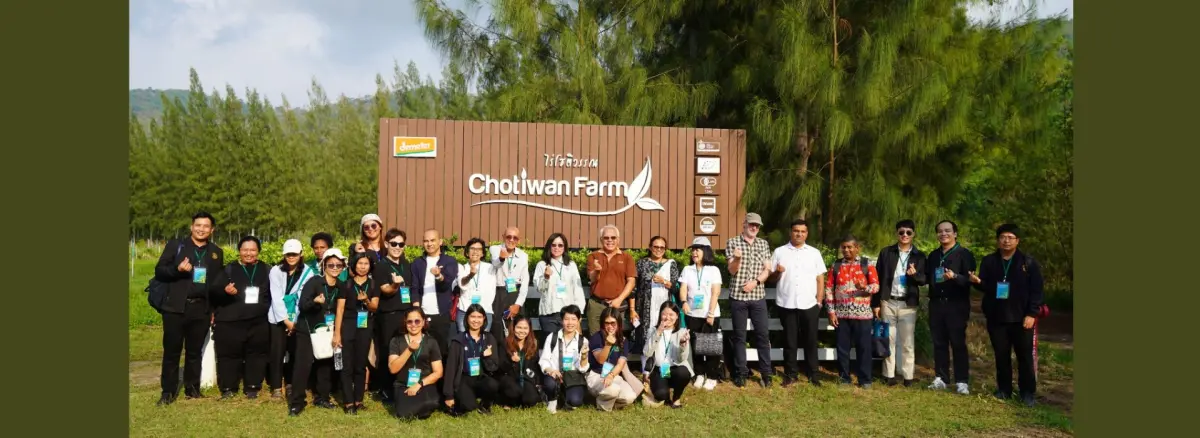
The International Coconut Community (ICC), through the ICC-COGENT International Thematic Action Group on Coconut Genomics and Breeding (ITAG-02), successfully organized the Coconut Genomics Workshop on 25 March 2026 in Pattaya, Thailand, as part of the 4th International Conference of Tropical Plants (ICTP 2026). The workshop, held under the theme “From Coconut DNA to Breeding Applications,” marked a significant milestone in COGENT's ongoing efforts to strengthen scientific capacity and foster international collaboration in coconut genomics and modern breeding technologies.
The workshop was conducted immediately following the highly successful ICC-organized Coconut Technical Session, forming a comprehensive two-day scientific program that bridged strategic discussions on sustainable coconut development with practical, hands-on training in genomic applications. Together, these activities demonstrated COGENT's commitment to translating cutting-edge research into practical solutions for coconut improvement and conservation.
The workshop was organized by ICC–COGENT ITAG-02 in collaboration with Kasetsart University, Thailand, under the leadership of Dr. Siwaret Arikit, Leader of ITAG-02. His vision, technical leadership, and dedication were instrumental in conceptualizing the workshop, coordinating international experts, and developing a program that addressed the growing need for advanced genomic knowledge among coconut researchers and breeders. The successful implementation of the workshop reflected the strength of collaboration between ICC, COGENT, Kasetsart University, and several international research organizations.
Building Capacity for the Next Generation of Coconut Breeding The rapid advancement of genomic technologies is transforming crop improvement worldwide, and coconut is no exception. However, many coconut-producing countries still face limitations in accessing practical training on genomic tools and their application in breeding programs. Recognizing this gap, ITAG-02 designed the workshop to provide participants with practical knowledge that could be directly applied within national coconut research and breeding programs. Unlike conventional scientific conferences, the workshop emphasized hands-on learning, enabling participants to move beyond theoretical concepts and gain practical experience in analysing genomic data and understanding its application to breeding decisions. The technical program covered the complete pathway from genomic information to breeding applications. Sessions introduced participants to the current landscape of coconut genomics before progressing to SNP data handling, quality control procedures, genetic diversity analysis, population structure, genome-wide association studies (GWAS), genomic selection methodologies, artificial intelligence and digital technologies, and finally data sharing and international collaboration.
This carefully structured programme enabled participants to understand not only the underlying scientific principles but also how these tools can support the development of climate-resilient, high-yielding, and pest-resistant coconut varieties. Particular emphasis was placed on demonstrating how genomic technologies can complement conventional breeding approaches, significantly reducing the time required to identify desirable traits and accelerating the development of improved planting materials for farmers. International Expertise Supporting Global Collaboration One of the workshop's greatest strengths was the participation of internationally recognized scientists representing leading research institutions across Asia and Europe.
The program was jointly facilitated by Dr. Siwaret Arikit (Kasetsart University) together with Dr. Andrea Garavito and Dr. Stéphanie Bocs Sidibe from CIRAD, France, and Dr. Samart Wanchana and Dr. Wasin Ponchewin from Thailand's National Science and Technology Development Agency (NSTDA). Their combined expertise provided participants with exposure to the latest developments in plant genomics, molecular breeding, computational biology, and genomic data analysis. The active involvement of CIRAD represented an important example of international scientific cooperation under the COGENT framework. Their contributions highlighted how collaborative research networks can accelerate innovation while promoting the sharing of knowledge, technologies, and best practices among coconut-producing countries.
Broad International Participation The workshop attracted more than 30 participants attending in person, while an additional approximately 30 participants joined virtually, allowing researchers who were unable to travel to Thailand to benefit from the technical program. Participants represented a diverse cross-section of the global coconut research community, including researchers, breeders, genebank managers, and technical officers from Papua New Guinea, Indonesia, Malaysia, India, Sri Lanka, and the Philippines, together with representatives from Thailand and several international research organizations. The diversity of participants created an excellent environment for scientific exchange and networking, enabling researchers working under different ecological and production systems to share experiences, discuss common challenges, and identify future opportunities for collaboration.
Advancing Data Sharing and International Cooperation Beyond technical training, one of the workshop's most significant outcomes was the renewed emphasis on international collaboration and genetic resource data management. A dedicated session focused on Data Sharing and International Collaboration, recognizing that the future success of coconut breeding depends not only on advanced technologies but also on the effective exchange of genomic information among countries. Discussions highlighted the importance of strengthening documentation of coconut genetic resources and improving the accessibility of germplasm information through international platforms.
Participants explored future opportunities for collaborative research, harmonization of data standards, and greater integration among national and international coconut genebanks. These discussions align closely with ICC and COGENT's broader objective of strengthening global cooperation in coconut genetic resource conservation while supporting the long-term sustainability of breeding programmes. Supporting the Strategic Objectives of COGENT The workshop directly contributes to the strategic objectives of ICC - COGENT, which has served since 1991 as the world's principal network for international cooperation in coconut genetic resources. Under ICC's coordination, COGENT continues to facilitate collaboration among national research institutions, international genebanks, universities, and development partners to conserve and utilize coconut genetic diversity for the benefit of member countries.
The activities of ITAG-02 represent a critical component of this mission by strengthening scientific capacity in modern breeding approaches and promoting the application of genomics to address global challenges such as climate change, emerging pests and diseases, declining productivity, and the growing demand for resilient coconut varieties. Looking Ahead The success of the Coconut Genomics Workshop demonstrates the increasing importance of combining scientific innovation with international collaboration to ensure the long-term sustainability of the coconut sector. Rather than viewing the workshop as a standalone training activity, ICC and ITAG-02 consider it the beginning of a broader programme of collaborative capacity building. The knowledge acquired by participants is expected to support national breeding programmes, improve germplasm management, strengthen genomic research, and ultimately contribute to the development of improved coconut varieties capable of meeting future production challenges.
The workshop also established a stronger network of researchers working in coconut genomics, creating new opportunities for joint research, data sharing, technical exchanges, and collaborative projects among COGENT member institutions. Moving forward, ICC and COGENT will continue to promote initiatives that strengthen research partnerships, expand technical training opportunities, and facilitate the adoption of advanced genomic technologies across member countries. Through these efforts, the organization aims to ensure that modern breeding tools become increasingly accessible to coconut researchers and ultimately contribute to a more resilient, productive, and sustainable global coconut sector. The successful organization of the Coconut Genomics Workshop at ICTP 2026 stands as a significant achievement of ICC - COGENT ITAG-02, demonstrating the value of international cooperation in advancing scientific excellence and reinforcing COGENT's role as the leading global network for coconut genetic resources, genomics, and breeding.