
International Coconut Community
Established in 1969 | a UNESCAP intergovernmental organisation
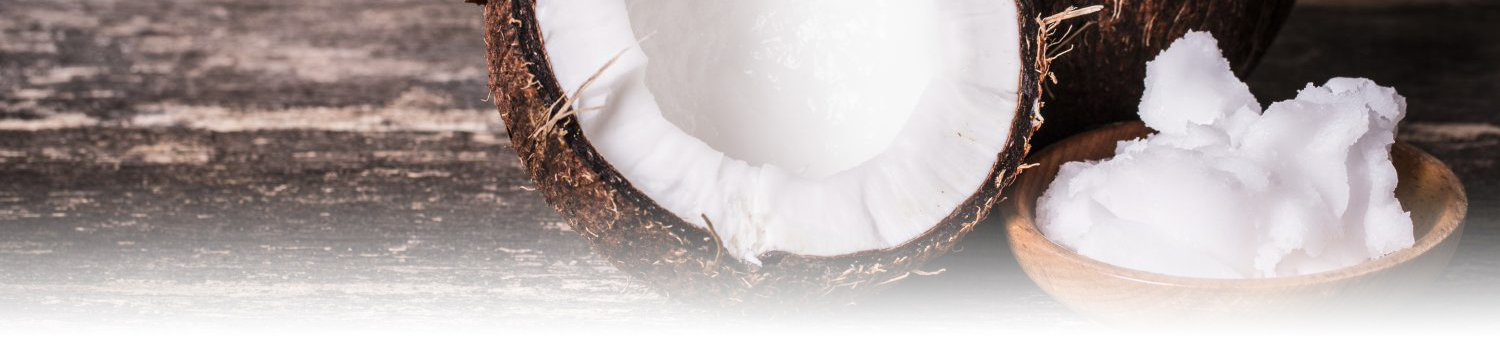
Kernel / Meat Based
Coconut meat is the white flesh inside a coconut. Coconuts are the large seeds of coconut palms (Cocos nucifera), which grow in tropical climates. Their brown, fibrous husks conceal the meat inside. As the oil and milk from this fruit have become increasingly popular, many people may wonder how to use coconut meat and whether it offers health benefits.
Our Products
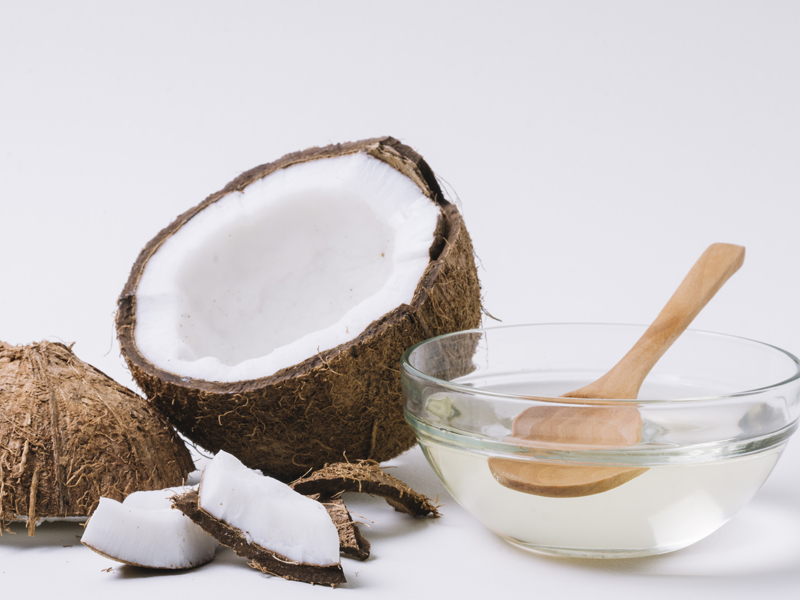
Virgin Coconut Oil
The mother of all oils, virgin coconut oil, is claimed to be. It's high in vitamin E, medium-chain fatty acids, especially lauric acid, vitamins, minerals, and antioxidants, and it's easy to digest. The virgin coconut oil contains around 50% lauric acid, which provides human immunity. Virgin coconut oil is coconut oil prepared by the wet technique. Because virgin coconut oil has not been exposed to high heat, solvents, or the refining process, it retains its fresh coconut fragrance and flavor. Fresh coconut meat or coconut milk can be used to make virgin coconut oil. By grinding, drying, and pressing fresh meat, it can be removed. It is made from coconut milk by grating it, combining it with water, then centrifuging it at a high speed. The cream can also be boiled to eliminate any leftover oil after the milk has been fermented for 36–48 hours. This process of extracting coconut oil from coconut milk does not require the use of a solvent, lowering the investment cost and energy requirements significantly. Furthermore, the RBD (refining, bleaching, and deodorizing) step is eliminated (Villarino et al. 2007). When compared to refined coconut oil, a number of prior studies have demonstrated the existence of higher phenolic content, which correlates with higher antioxidant activity in virgin coconut oil (Marina et al. 2009). Coconut oil aids thyroid health by boosting metabolism and raising body temperatures. It also treats wounds, restores damaged tissues, moisturizes the skin, nourishes the brain, reverses neurological illnesses, and avoids gastrointestinal malnutrition.
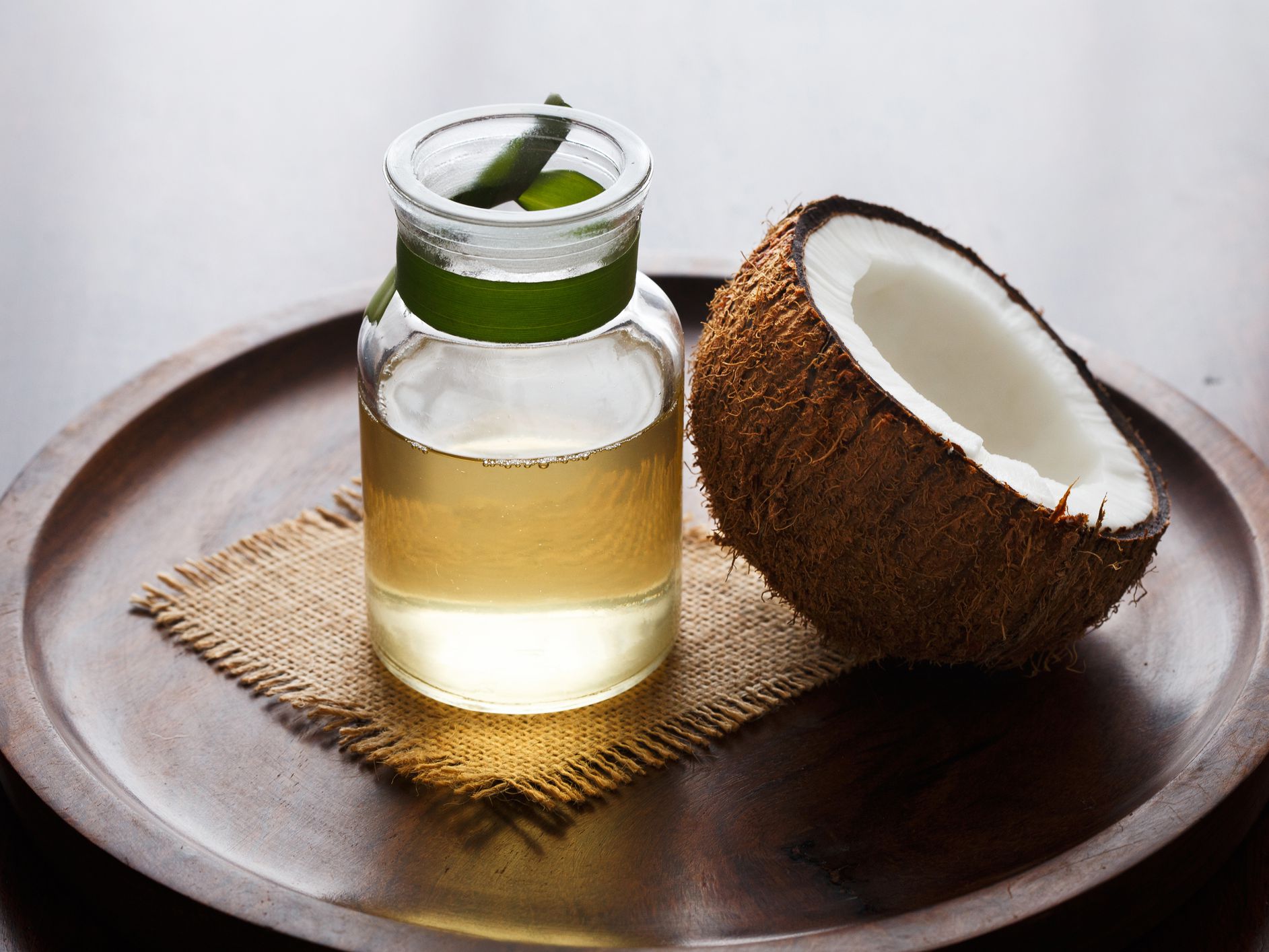
Coconut Oil
The kernel or meat of mature coconuts collected from the coconut palm are used to extract coconut oil. It has a higher percentage of saturated fat, which slows oxidation and makes it resistant to rancidity, lasting up to two years without rotting. Certain fatty acids and derivatives of coconut oil have been shown to have negative impacts on the inactivation of microorganisms such as bacteria, yeast, fungi, and enveloped viruses. Mechanical extraction methods are commonly used to get coconut oil. Well-dried copra is pressed in a screw press or hydraulic press to extract oil by shattering the oil cells in the kernel in the dry extraction process. Filtration separates the oil and cake after extraction. According to a study, unrefined coconut oil is more stable than refined coconut oil since refined oil contains less tocopherol (Gordon and Rahman 1991). Cake can be used as a substrate for Aspergillus oryzae species to produce alpha amylase (Ramachandran et al. 2004). Oil extraction employing enzymes such as polygalacturonases, á-amylase, and proteases was found to be a more efficient process in terms of energy use, with an 8 percent yield (McGlone et al. 1986). Coconut oil is an important cooking medium in many countries. Besides, the oil has varied industrial applications. It is used in the manufacture of toilet soaps, laundry soaps, surface active agents and detergents, hair tonics, cosmetics, etc. It is used throughout the country as a hair oil as it helps growth of the hair. As a massage oil it has a cooling effect on the body. Owing to these qualities coconut oil has a potential market. Since the price of coconut oil in the international market is very much lower than the domestic price, the quality and attractiveness of consumer packs are important factors to compete in the world market. While the demand for coconut oil for cooking purpose is elastic, its demand as hair oil is inelastic.
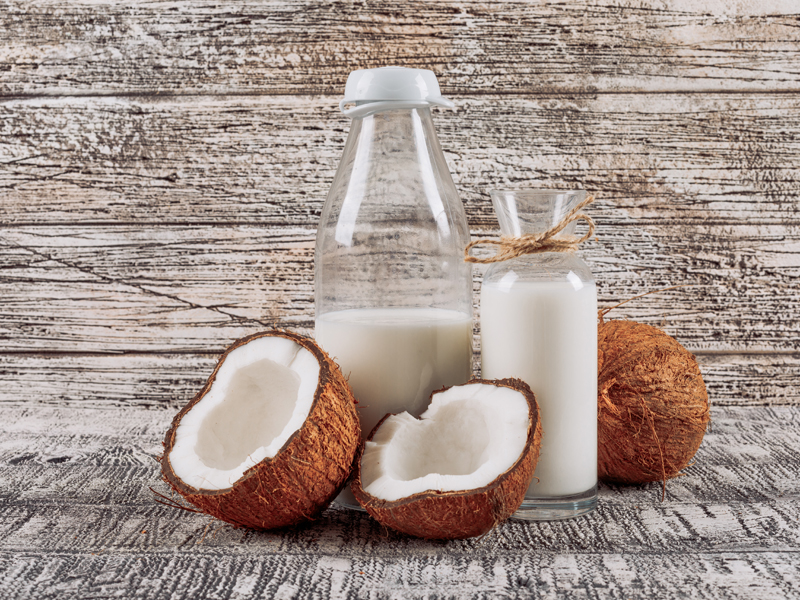
Coconut Milk
Coconut milk is a versatile and natural ingredient that is often utilized in Asian and Indian cuisines. It's an oil-in-water emulsion made from coconut flesh aqueous extract. The coconut kernel is fragmented with a rotary wedge cutter, then pressed and squeezed to remove the milk from the kernel with hot water. Following extraction, the milk is filtered to remove solids before being pasteurized to kill microorganisms. Increasing the temperature of the water during extraction has no significant effect. Repeated extractions increase the amount of milk produced. Coconut milk can be used as a substitute for cow milk by lactose intolerant individuals.The fresh coconut milk serves as a valuable food for children suffering from nutritional deficiency. It has more vitamin A content than the coconut itself and has adequate minerals. It was found that the coconut milk extracted with water at 80°C and having pH of 8 was yielded milk with highest total solids. Coconut milk can be taken raw or used as a milk substitute in coffee, tea, and as a yoghurt alternative when blended with fruits. Coconut milk contains a variety of nutrients that have several health benefits. Magnesium modulates blood sugar levels, phosphate strengthens bones, selenium decreases joint inflammation, and manganese helps to prevent osteoporosis. Lauric acid in coconut milk functions as an antiviral and antibacterial agent. A daily dose of 10 to 20 grams of lauric acid is recommended, which can be acquired from 6 to 12 ounces of good quality coconut milk. Coconut milk also helps to lower the risk of heart disease. Coconut milk is an oil-protein – water emulsion extracted from fresh grated coconut kernel. It is obtained by manual or mechanical extraction of comminuted coconut meat, with or without water. Coconut milk is healthy, vegan alternative to dairy milk. Coconut milk does not contain lactose and is lower in carbohydrates than dairy milk, which can be consumed by people who are lactose-intolerant or just don't enjoy the taste of dairy milk. Although regular canned coconut milk is higher in calories and fat than whole dairy milk, the plant-based saturated fat in coconut milk may provide health benefits not found in the animal-based saturated fat in dairy milk. The composition of coconut milk depends on the amount of water used for the extraction, affecting significantly moisture and fat content. Freshly extracted coconut milk has a pH of 6. Coconut milk is rich in proteins such as albumin, globulin, prolamin and glutein. Coconut milk also has several nutritional advantages and serves as a superior source of several essential nutrients. Coconut milk serves as a much richer source of niacin, also called vitamin B-3, than regular milk. Dairy milk contains lactose, a type of sugar that is difficult for many people to digest. Niacin along with other B-complex vitamins helps in metabolizing the nutrients in food. It is also a rich source of Iron and Copper. Furthermore, coconut milk is lower in sugar than dairy milk, which is beneficial to limit carbohydrates in diet. Coconut milk has tremendous importance especially in Ayurvedic traditional medicinal purposes. It is generally used to maintain the electrolyte balance and to rule out dehydration losses. Also, it is used for treatment of ulcers in the mouth. Some recent studies have suggested that coconut milk has anti-microbial properties in the gastrointestinal tract, hyperlipidemic balancing qualities and useful for topical applications. In addition, the coconut milk contains lauric acid as saturated fat which has medicinal utilities in the cardiovascular system. Coconut milk also possesses lauric acid in appreciable quantity. It is a saturated fatty acid which elevates high density lipoprotein cholesterol levels in blood. It has been proven through research that the coconut oil is much better in comparison to saturated fats due to the health risks imposed by the latter. Coconut milk is rich in medium chain fatty acids. Medium chain fatty acids do not increase the cholesterol level in the blood and yet helps in body weight maintenance.
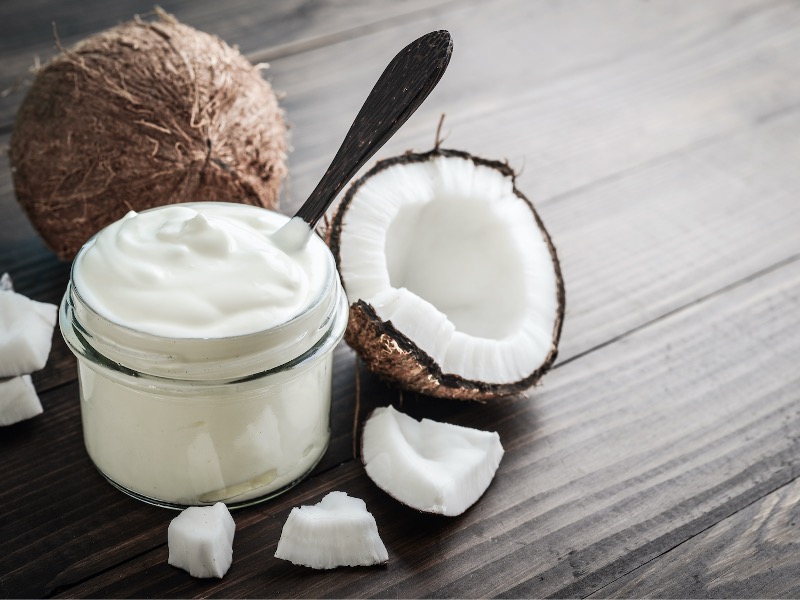
Coconut Cream
Coconut cream, which is similar to coconut milk but has a thicker and paste-like consistency than coconut milk, is mostly utilized as a fat source. Approximately 2500 kg of coconut milk and 500 kilogram of residual grating can be obtained from 10,000 mature nuts. During the manufacturing of cream, food additives such as emulsifiers and stabilizers are added to coconut milk. This mixture was thoroughly mixed to get the desired consistency before being transferred to plate heat exchangers for pasteurization (80°C) and hot filling into the container. Once opened, it had a shelf life of roughly 6 months. It can be used straight or diluted with water to produce fish and meat meals, curries, desserts, deserts, puddings, cakes, cookies, jam, and ice cream. The yield of tofu was improved when coconut cream was added to the soy milk. Coconut fat does not include trans-fatty acids, but it does contain monoglycerides, which are quickly absorbed and turned into energy by the body. Because fat is readily processed and not stored in the body, it does not convert to harmful cholesterols that can clog arteries. As a result, the risk of heart disease is reduced.
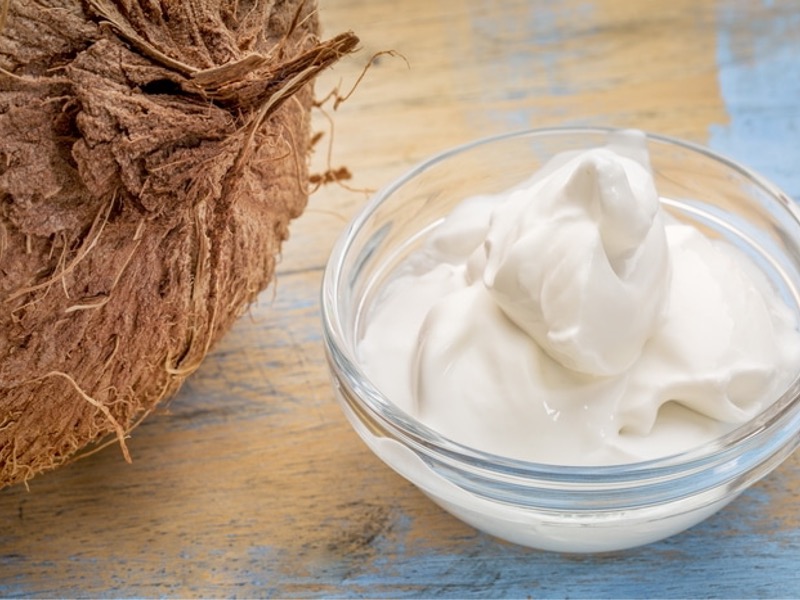
Coconut Yoghurt
Yoghurt is a fermented product obtained by the fermentation of cow milk using lactic acid bacteria such as Streptococcus thermophiles and Lactobacillus delbrueckii spp. Bulgaricus. Yogurt from coconut milk can also be consumed by lactose intolerant. (Yaakob et al. 2012) optimized the ingredients for coconut yoghurt processing. One liter of coconut milk was preheated at a temperature of 90°C for 3 min. It was then cooled till the temperature reduced to 40°C. 3% inoculum was mixed to the coconut milk and the cultured coconut milk was incubated at 37°C for 8 hours then it was stored at 4°C. A combination of soymilk (50%) and coconut milk (50%) has also been used in the preparation of soy-coconut yoghurt. (Belewu et al. 2005). Studies also shows that the there is no significant difference between the yogurt produced from skimmed cow milk and coconut-cow milk composites in all sensory attributes. Thus coconut milk can be used along with cow milk to produce acceptable and affordable yoghurt (Sanful 2009).
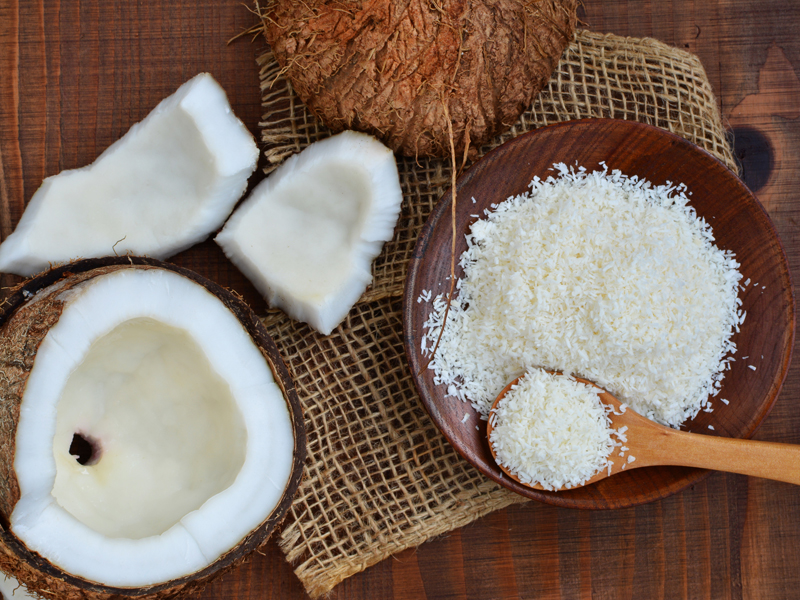
Desiccated Coconut
Desiccated coconut is manufactured by drying shredded, crushed coconut after the brown testa has been extracted. Newly matured coconuts have their husks and shells removed. The kernel is de-shelled with a sharp knife before being fractured into smaller pieces with a hammer mill or pin mill. The coconut flakes are steam blanched for around 20 minutes to reduce the microbial population. To reduce the moisture content to 3%, the fragmented kernel is dried in a hot air dryer for roughly 10 hours at a temperature of 80-90°C. Desiccated coconut is easier to transport and has a longer shelf life than fresh coconut. Confectioneries, baking, puddings, and ice creams all use it. Desiccated coconut can be used as a texture enhancer, a savory recipe garnish, a top layer dusting, and a raw grated coconut alternative. Desiccated Coconut Powder is obtained by drying ground or shredded coconut kernel after the removal of brown testa. It finds extensive use in confectioneries, puddings and many other food preparations as a substitute to raw grated coconut. A study conducted by the Coconut Development Board has revealed that a growing consumer demand for desiccated coconut powder could be developed in the country by resorting to organized market promotion activities for the popularization of the product in consumer packs for household uses. The survey has also shown that desiccated coconut powder in consumer packs is acceptable not only in non-coconut producing states but also in traditional coconut growing states such as Kerala. From the survey it was revealed that a sizeable section of the middle class and upper class families residing in cities and towns in Kerala would prefer desiccated coconut powder, if readily available, to raw nuts. Product type of desiccated coconut: Desiccated Coconut High fat: fat content level 60-65% Desiccated Coconut Medium reduce fat: fat content level 50-60% Desiccated Coconut Low fat: fat content level 40-50%
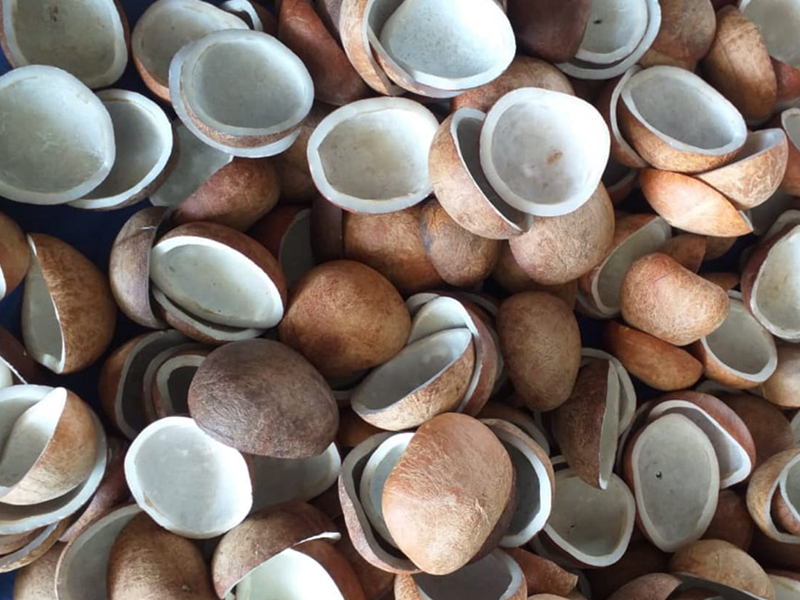
Copra
Dried sections of the meat of the coconut, the kernel of the fruit of the coconut palm (Cocos nucifera). Copra is valued for the coconut oil extracted from it and for the resulting residue, coconut-oil cake, which is used mostly for livestock feed
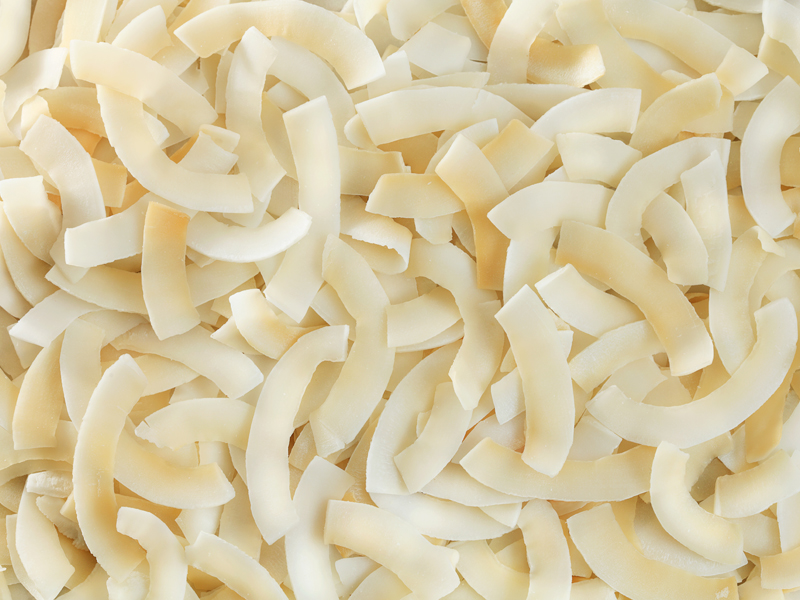
Coconut Chips
Coconut chips is a snack made from thin-sliced coconut flesh roasted in the oven. Many people love this snack because of its crunchy texture.