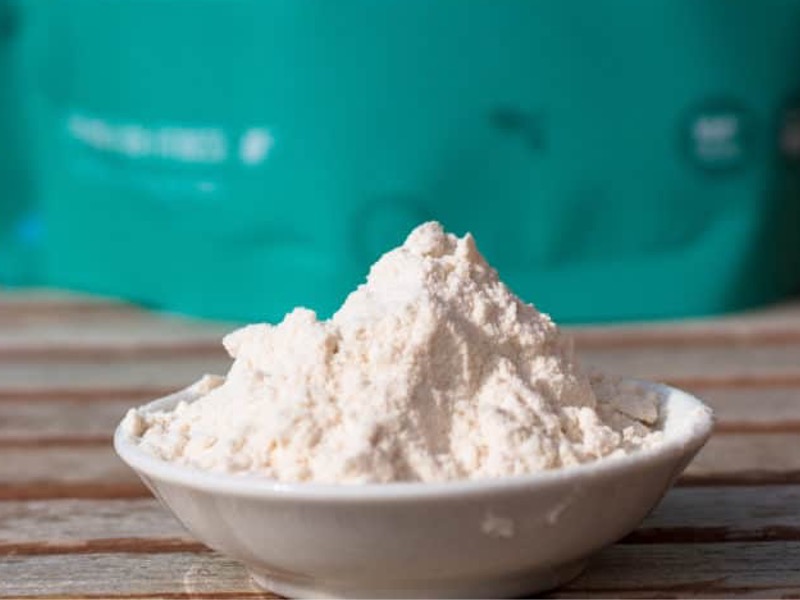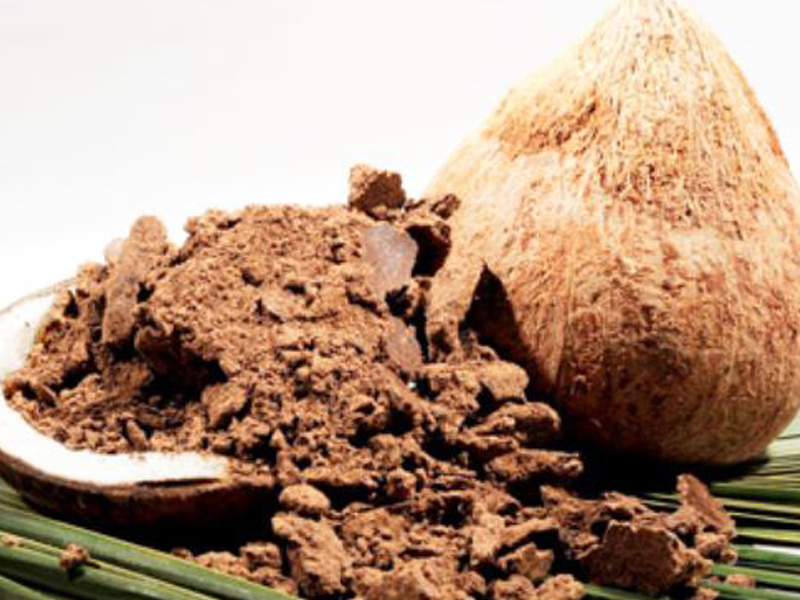

Coconut Flour
Coconut flour is a unique product prepared from coconut residue obtained after the extraction of coconut milk. It is a rich healthy source of dietary fiber which can be used as bulking agents, filling agents and as a substitute for wheat, rice and potato flour at certain levels and the flour can also be incorporated into various food products like baked products, snack and extruded foods and steamed products. Coconut flour is considered as a good source of fiber and protein. It contains about 600 g total dietary fibre/kg in which 560 g insoluble and 40 g soluble fibre/kg. It was found that the glycemic index of coconut flour supplemented foods decreased with increasing levels of dietary fiber from coconut flour (Trinidad et al. 2003; Trinidad et al. 2006). It was found that the amount of wheat flour used for noodles making in Asia accounts for about 40% of the total flour consumed, hence coconut flour can be incorporated up to 20% into wheat flour noodles in order to improve its health benefits. (Gunathilake and Abeyrathne 2008). The coconut flour is loaded with numerous nutrients and it is free from gluten and phytic acid. The health benefits of coconut flour includes protection against strokes, significant reduction in blood pressure, enhanced energy production and it also boosts thyroid function, balances blood sugar and insulin level, cleanses the body’s internal systems.