Coconut Sugar
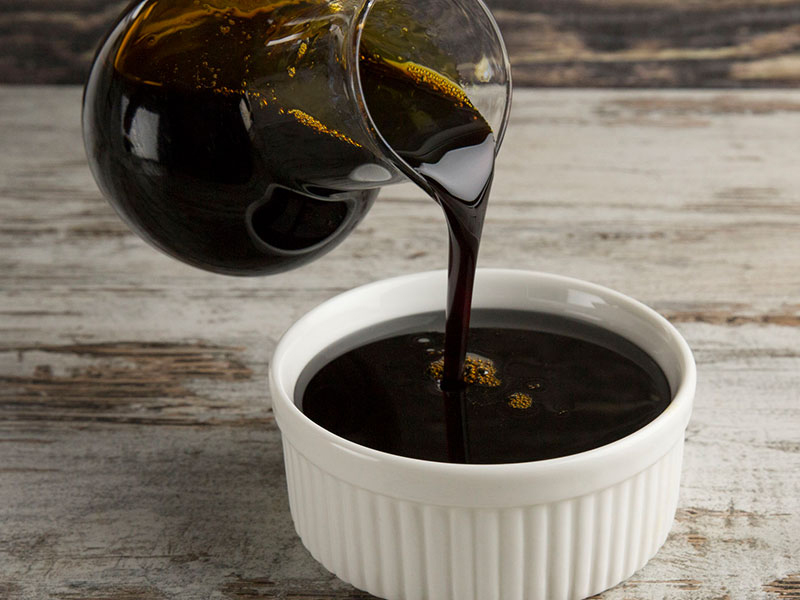
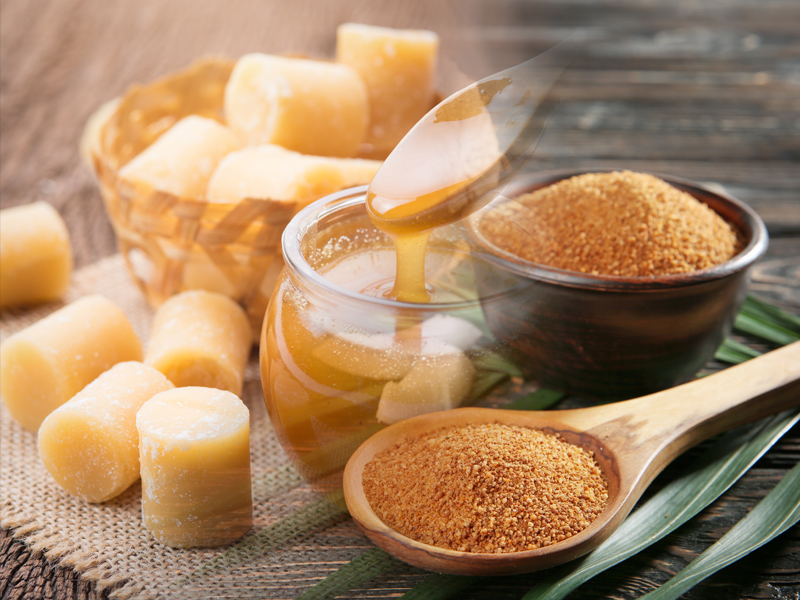
Coconut sugar (also known as coco sugar, coconut palm sugar or coco sap sugar) is a sugar produced from the sap of cut flower buds of the coconut palm. It contains essential vitamins, macro and micro nutrients. Coconut sugar has been used as a traditional sweetener for thousands of years in the South and South-East Asian regions where the coconut palm is in abundant supply. The world's largest producers of coconuts are the Philippines and Indonesia. It comes in granules, rock, powder, cubes, and liquid form.
Importance of Coconut Sugar
Social :
- Immediate source of farm income
- Job generation and skills development
Financial / Economic :
- Export winner in the niche market
- Economically wiable for MSMEs
Nutritional :
- Natural and healthy product
- Good for diabetics (low Glycemic Index - GI 35)
Coconut Refined Sugar
To coagulate albuminous contaminants, the coconut sap is treated with 2% lime. After that, the limed sap is carbonated twice and filtered to remove any excess lime. The cleared liquid is evaporated to a sugar content of 75%, and the resulting syrup is concentrated in vacuum pans until crystallization starts. After that, the syrup is poured into crystallizers, where the crystalline sugar is separated using centrifugation (Muralidharan and A Sr 2011). According to a study conducted by the Food and Nutrition Research Institute (FNRI), coconut sap sugar has a glycemic index (GI) of 35, making it a low glycemic index food that would not boost blood sugar levels. Food with a low glycemic index is beneficial for diabetes management, and it has been discovered that it lowers bad cholesterol, or low density lipoprotein cholesterol. As a result, coconut sugar is said to be healthier than refined sugar.