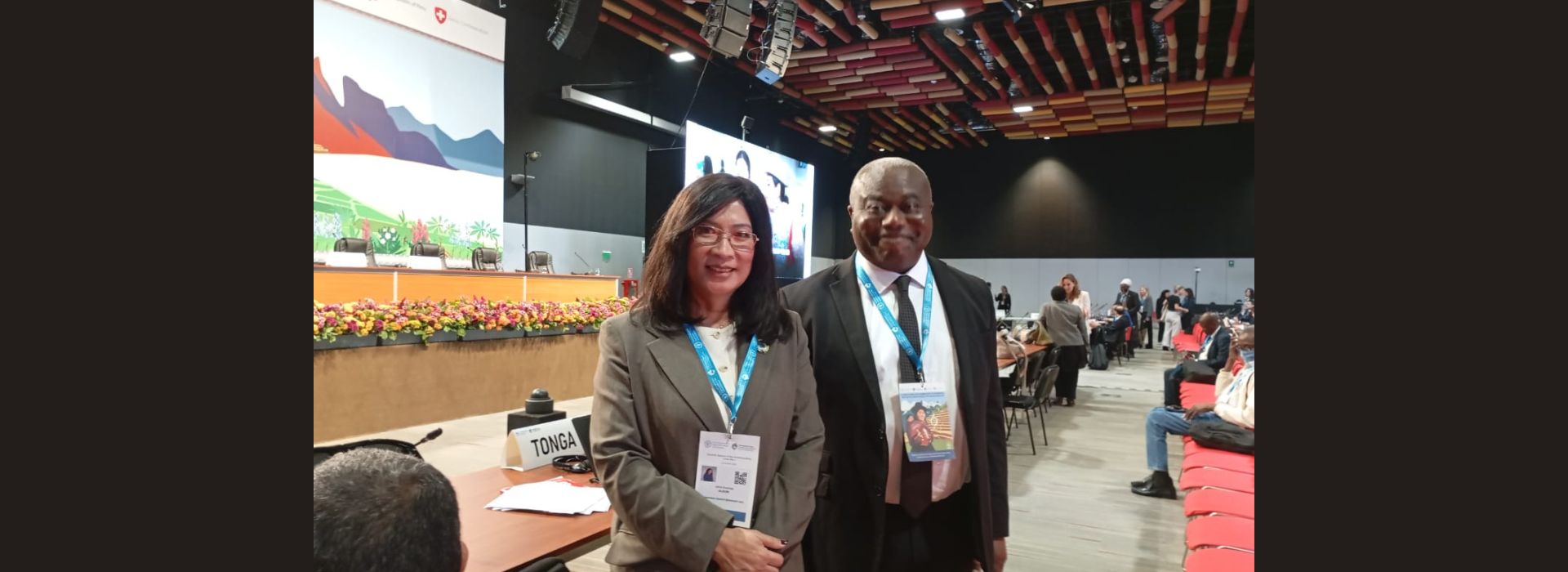
The International Coconut Community (ICC), represented by the Director General, has delivered a powerful statement at the 11th Session of the Governing Body (GB 11) of the FAO International Treaty on Plant Genetic Resources for Food and Agriculture (ITPGRFA), currently being held in Lima, Peru.
Under the overarching theme of Fostering Biodiversity and Food Security: Preserving Heritage, Cultivating a Shared Future, the ICC, representing its 21 member countries, highlighted the essential role of coconut-the Tree of Life in global food security and the urgent need for enhanced conservation efforts.
The ICC statement emphasized that the conservation of coconut is not merely an environmental issue but a matter of global socio-economic stability. With over 95% of the world's coconut area cultivated by smallholder farmers, the crop is central to poverty alleviation and rural development across the tropics. However, this vital sector faces severe and escalating threats:
- Pervasive Low Productivity: Many palms are senile, exceeding 60 years of age, leading to drastically reduced yields. Climate Extreme Impacts: Extreme weather events, such as devastating hurricanes, are destroying thousands of palms and severely impacting the livelihoods of vulnerable farmers.
- Devastating Pests and Diseases: Threats like Lethal Yellowing Disease, Coconut Rhino Beetle and the Red Palm Weevil demand urgent genetic and comprehensive solutions.
- The ICC stressed its commitment to global germplasm preservation, noting the success of the five international coconut genebanks that collectively conserve more than 1,000 accessions of key traits. Crucially, the statement linked these efforts directly to the Treaty's main agenda items. ICC underscored that the protection of Farmers' Rights, a central discussion point at GB 11, is highly paramount to ensure that the smallholders who conserve and sustainably use these genetic resources are recognized and supported.
The ICC also highlighted that two of its key international coconut genebanks have already placed their collections under the Treaty's framework via the Article 15 agreement, demonstrating a proactive commitment to facilitated access and benefit-sharing under the Multilateral System (MLS). The ICC acknowledged the invaluable technical collaboration provided by strategic partners, including the ACIAR, Crop Trust, CIRAD, and Alliance Bioversity International - CIAT. Furthermore, the ICC affirmed the unanimous decision from its recent 61st Session to strengthen the Coconut Genetic Resources Network (COGENT) to accelerate palm improvement and facilitate essential germplasm exchange across borders. In a key diplomatic engagement ahead of the Governing Body Session, the ICC Director General met on 23 November 2025 with H.E. Mr. Ricky Suhendar, Ambassador of Indonesia to Peru and Bolivia, alongside Indonesian diplomats. The Embassy of Indonesia to Peru and Bolivia provided crucial logistical and preparatory support to the Director General, ensuring effective participation at the high-level international forum. The meeting itself focused on exploring potential trade opportunities to introduce and expand the market for coconut-based products within Peru and Bolivia.
This strategic engagement underscores the ICC's commitment not only to conservation but also to the economic utilization and expansion of the coconut value chain for its member countries. In its final plea to the Governing Body, the ICC called for: "Continued and enhanced technical and financial support is essential to safeguard these vital collections in partner countries, allowing us to proactively address the various threats of extreme climate events, senile palms, pests and disease, and ensure the 'Tree of Life' continues to support global food and nutritional security for generations to come." The 11th Session of the Governing Body is a key meeting focused on complex issues, including enhancing the functioning of the Multilateral System (MLS) of access and benefit-sharing and discussing the role of Digital Sequence Information (DSI) on plant genetic resources. The ICC's statement ensures that the conservation needs and socioeconomic importance of coconut, a perennial crop vital to millions of vulnerable people, remain a priority within these critical global negotiations.

Chair, secretariat of ITPGRFA, and representative of the Government of Peru and Switzerland as co-host of the event

DG of ICC and the secretary of FAO- ITPGRFA

Peruvian