Coconut Cream
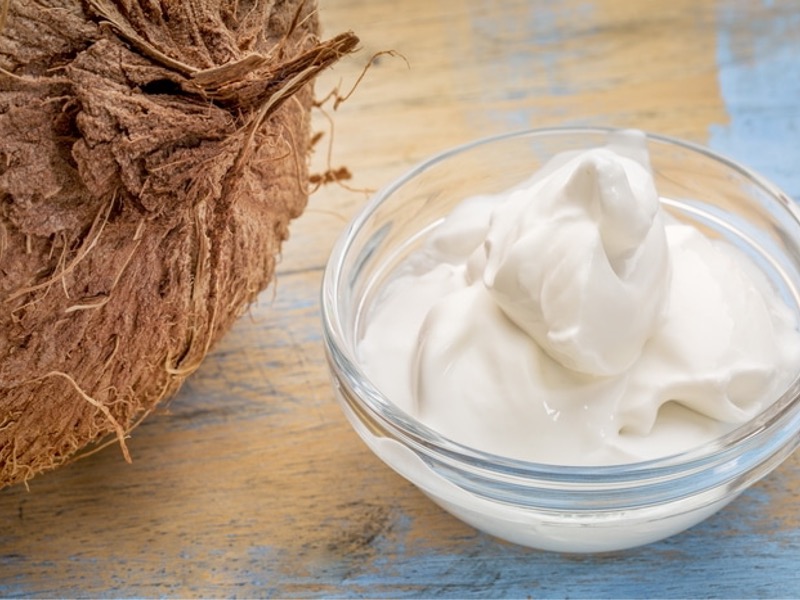
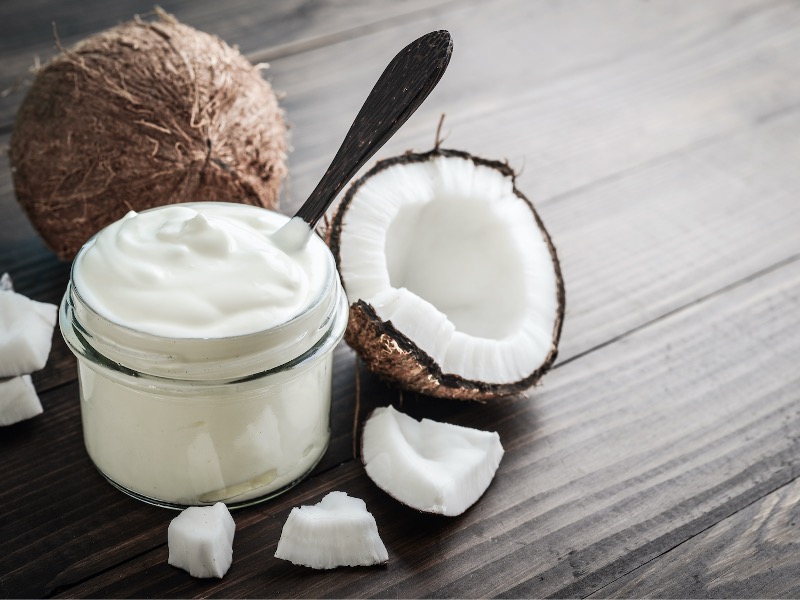
Coconut cream, which is similar to coconut milk but has a thicker and paste-like consistency than coconut milk, is mostly utilized as a fat source. Approximately 2500 kg of coconut milk and 500 kilogram of residual grating can be obtained from 10,000 mature nuts. During the manufacturing of cream, food additives such as emulsifiers and stabilizers are added to coconut milk. This mixture was thoroughly mixed to get the desired consistency before being transferred to plate heat exchangers for pasteurization (80°C) and hot filling into the container. Once opened, it had a shelf life of roughly 6 months. It can be used straight or diluted with water to produce fish and meat meals, curries, desserts, deserts, puddings, cakes, cookies, jam, and ice cream. The yield of tofu was improved when coconut cream was added to the soy milk. Coconut fat does not include trans-fatty acids, but it does contain monoglycerides, which are quickly absorbed and turned into energy by the body. Because fat is readily processed and not stored in the body, it does not convert to harmful cholesterols that can clog arteries. As a result, the risk of heart disease is reduced.