Coconut Oil
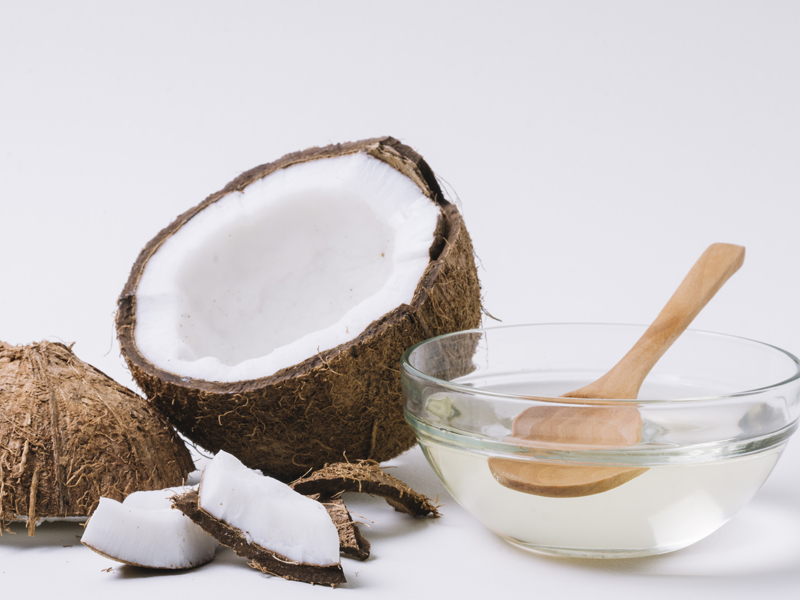
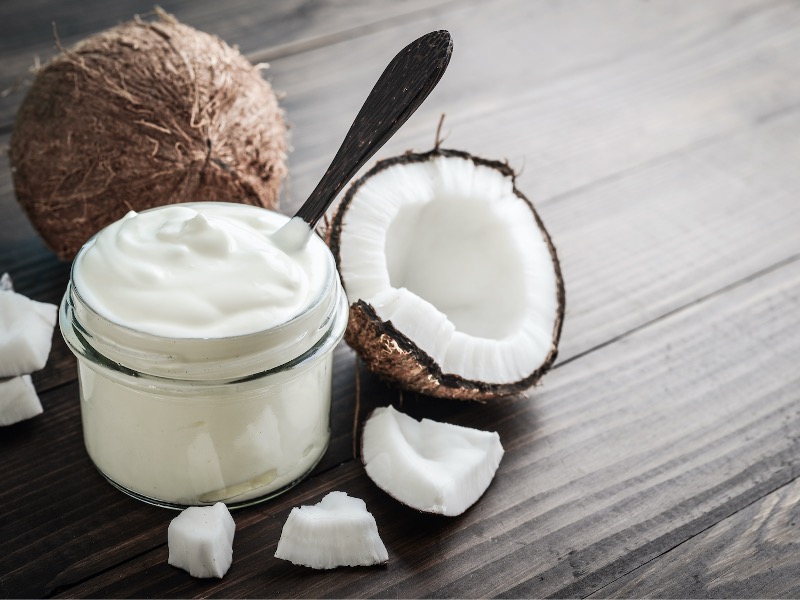
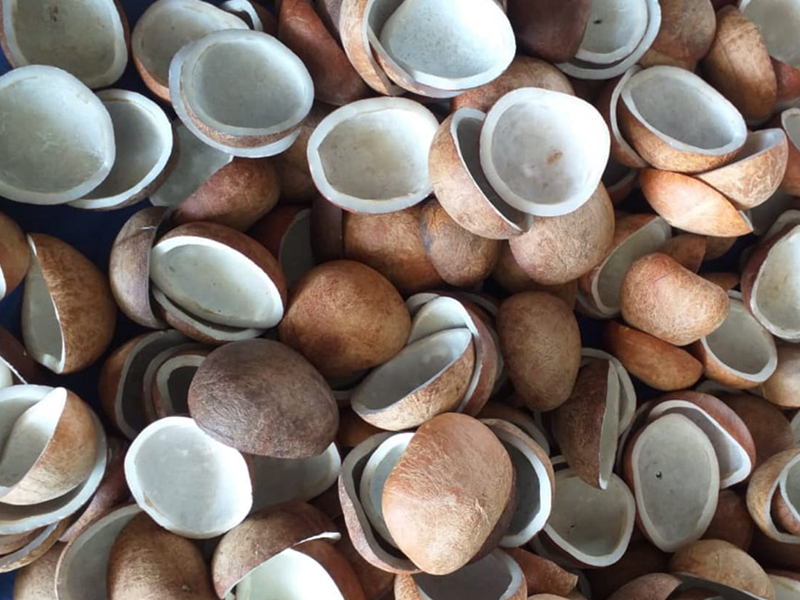
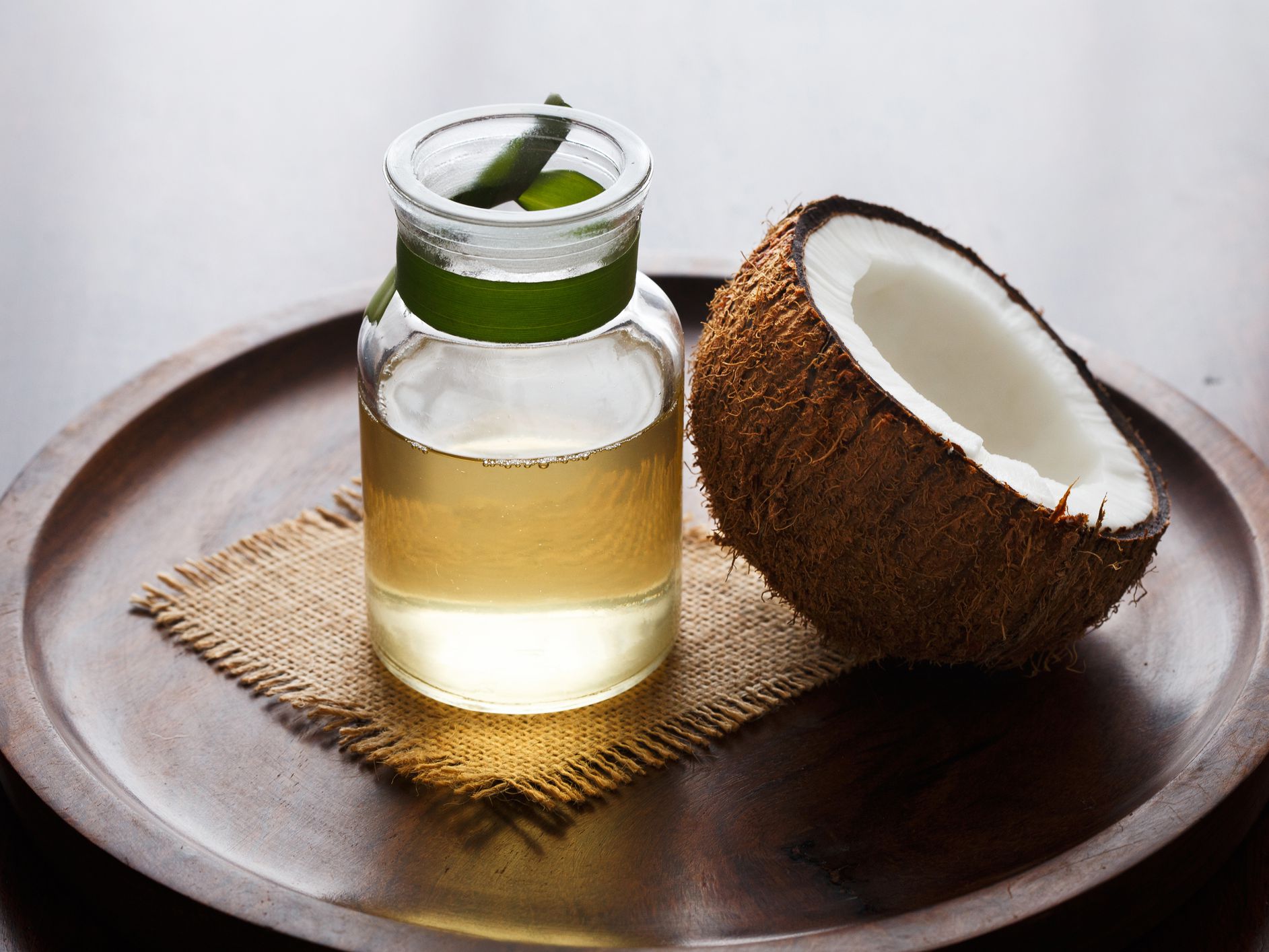
The kernel or meat of mature coconuts collected from the coconut palm are used to extract coconut oil. It has a higher percentage of saturated fat, which slows oxidation and makes it resistant to rancidity, lasting up to two years without rotting. Certain fatty acids and derivatives of coconut oil have been shown to have negative impacts on the inactivation of microorganisms such as bacteria, yeast, fungi, and enveloped viruses. Mechanical extraction methods are commonly used to get coconut oil. Well-dried copra is pressed in a screw press or hydraulic press to extract oil by shattering the oil cells in the kernel in the dry extraction process. Filtration separates the oil and cake after extraction. According to a study, unrefined coconut oil is more stable than refined coconut oil since refined oil contains less tocopherol (Gordon and Rahman 1991). Cake can be used as a substrate for Aspergillus oryzae species to produce alpha amylase (Ramachandran et al. 2004). Oil extraction employing enzymes such as polygalacturonases, á-amylase, and proteases was found to be a more efficient process in terms of energy use, with an 8 percent yield (McGlone et al. 1986).
Coconut oil is an important cooking medium in many countries. Besides, the oil has varied industrial applications. It is used in the manufacture of toilet soaps, laundry soaps, surface active agents and detergents, hair tonics, cosmetics, etc. It is used throughout the country as a hair oil as it helps growth of the hair. As a massage oil it has a cooling effect on the body. Owing to these qualities coconut oil has a potential market. Since the price of coconut oil in the international market is very much lower than the domestic price, the quality and attractiveness of consumer packs are important factors to compete in the world market. While the demand for coconut oil for cooking purpose is elastic, its demand as hair oil is inelastic.