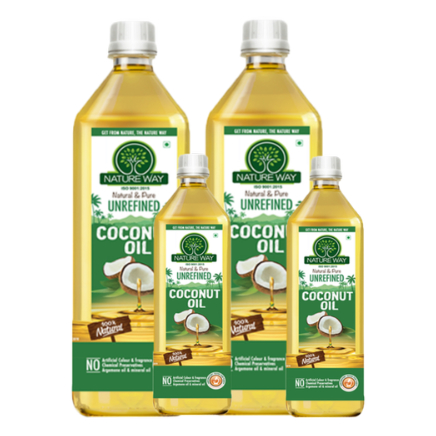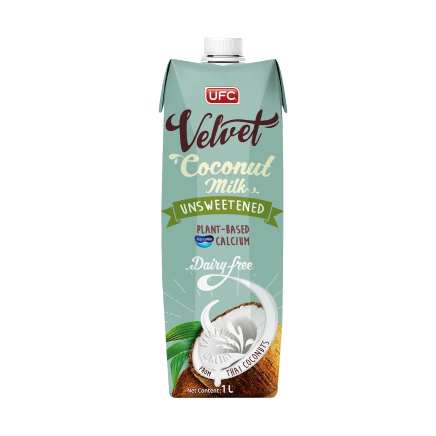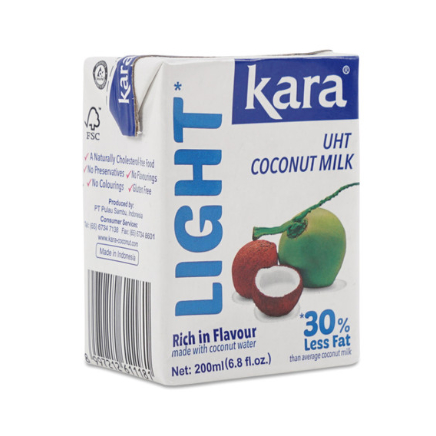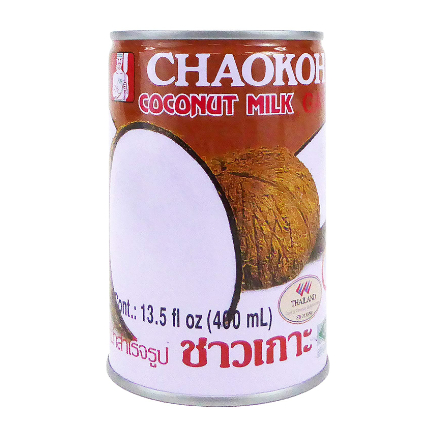
Coconut Oil in 2026: A Market Caught Between Short-Term Relief and Long-Term Constraint
Coconut Oil in 2026: A Market Caught Between Short-Term Relief and Long-Term Constraint
After two years of pronounced tightness, the global coconut oil market enters 2026 with tentative signs of near-term relief. Production is expected to recover modestly, trade volumes are improving from depressed 2025 levels, and... read more
A Bullish Coconut Oil Market in the Second Half of 2025
A Bullish Coconut Oil Market in the Second Half of 2025
The global coconut oil market in the second half of 2025 is navigating a complex landscape shaped by tightening supply, robust demand, and... read more
Bullish Market of Coconut Oil in the First Half of 2025
Bullish Market of Coconut Oil in the First Half of 2025
The coconut oil market is set to experience a dynamic first half of 2025, shaped by moderate production levels, stable trade patterns, and firming prices influenced by supply-demand dynamics and broader market... read more
Bullish Market of Coconut Oil in 2024
Bullish Market of Coconut Oil in 2024
In 2024, the global production of lauric oils is forecasted to see a modest expansion, with output expected to reach 11.58 million tons, a slight increase of 0.1% from the 11.57 million tons... read more
Bearish Market of Coconut Oil in the First Half of 2023
Bearish Market of Coconut Oil in the First Half of 2023
Lauric oils experienced a historic price hike in March 2022, followed by a steep drop to the lowest level in October 2022, recording a decrease of over 50% in just... read more
Desiccated Coconut Industry In Its Pioneering Days
N early 108 years have passed since the initial experimentation on desiccated coconut (DC) in Colombo by Mr. P.V. Appleby, the engineer of J.H. Vavasseur & Co. that in 1891, the product was first exported from Sri Lanka (then Ceylon) by the pioneering firm. A century ago. a well known... read more
Sri Lankan Desiccated Coconut Industry Issues, Challenges And Development Strategies
Coconut is a staple food for people in many parts of the world and also it plays an important role in sustaining the national economy by contributing to the Gross Domestic Products (GDP). It also provides livelihood, income, energy, shelter etc., for coconut farmer families throughout the lifetime of the... read more
Strategies And Experiences In Pollution Control In Desiccated Coconut (DCN) Factories
Pollution prevention is the most effective strategy for pollution control in desiccated coconut (DCN) factories. Initiatives undertaken by the more progressive DCN factories show that pollution prevention is always cost effective and sometimes, even income generating. Low cost opportunities for pollution prevention generate significant savings while reducing waste discharges. Commitment... read more
Polymerase chain reaction (PCR) for the rapid detection of Salmonella in desiccated coconut (DC
This study was carried out to develop a polymerase chain reaction (PCR) protocol for the detection of Salmonella in desiccated coconut (DC). For the PCR detection of Salmonella, genomic DNA was extracted using the ‘boiling lyses’ method and the reaction was carried out with Salmonella genus specific primers enabled to amplify 457bp sequence covering invA and invE... read more
Preparation and Quality Assessment of Yoghurt Prepared from Dairy Milk and Coconut (Cocos nucifera, L) Milk
Yoghurt was produced using dairy and coconut milk. Five variants of yoghurt namely plain dairy and coconut yoghurt (variant I), dairy and coconut yoghurt with natural grape pulp (variant II), dairy and coconut yoghurt with synthetic grape flavour (variant III), dairy and coconut yoghurt with natural pineapple pulp (variant IV)... read more
Story Of Coconut Cream
The author is the ow ner/ president of the Samoa Coconut Products Ltd., the largest coconut cream manufacturer in Western Samoa. As a pioneer in this venture in a relatively small coconut producing country in the Pacific, Mr. Fitzpatrick shares with Cocoinfo the ‘ups’ and ‘downs’ and how his company... read more
Advanced Processing Technologies For Coconut Milk, Coconut Cream , Coconut Mlik Powder And VCO
Coconut milk based industries are becoming more attractive to local entrepreneurs andgrowth of export volumes are evident as per Coconut Development Authority records. Sri Lankan entrepreneurs export Coconut Cream. Coconut Milk & coconut milk powder as coconut milk base productsfor worldwide distribution. Most volumes are industrial bulks which are sentto... read more
Shelf Life and Quality Evaluation of Deep Frozen Coconut Cream, Coconut Scrapings and Coconut Slices
Coconut kernel is the major energy source in the diets of coconut producing countries. Ready to use coconut milk/kernel has a great demand in the market specifically for its nutty flavor. Studies were conducted to evaluate the storage quality of deep frozen coconut cream, scraped coconut and coconut slices. Coconut... read more
Coconut Handicrafts - Eco Friendly & Aesthetic A Tale Of Two Societies
C oconut besides providing food and drink for maintaining good health, also provides shelter and aesthetic as well as eco friendly handicrafts. Every part of coconuts can be utilized for making handicrafts. Many of the APCC countries are making handicrafts utilizing the shells and trunk. Individual as well as societies... read more
Handy Handicrafts From Coconuts
T he shell, husk, midribs and even the petioles of the coconut tree are slowly assuming commercial importance with the emergence of innovative novelty items from the once considered lowly and discarded parts of the coconut tree. They are gradually penetrating even the sophisticated western markets bringing in the valuable... read more
Manufacture Of Coconut Handicrafts In Thailand
The coconut farmers are experiencing a decline of farm productivity and unstable markets for their traditional coconut products such as copra and coconut oil. The coconut farmer cannot afford to invest more in coconut cultivation unless he/she gets good returns. Consequently, the coconut industry experiences low coconut production on which... read more
Production of handicrafts, wares and novelty items from coconut wood, fronds and coconut fruit residues
The production of handicrafts, wares and novelty items utilizing small and short pieces of coconut wood, fronds and shell is a highly feasible and viable option to derive income from coconut residues and other cellulosic materials found in coconut plantation.
Handicrafts and novelty items from coconut fronds, wood and other... read more
Coconut Wood Processing And Ultimation
This paper discusses current technologies on cocow ood processing and utilization such as logging, sawmilling, machining, seasoning and drying, preservative treatment and finishing. It also highlights diverse uses o f cocowood ranging from novelties to construction materials but emphasis is given to the m anufacture o f high value and... read more
Development Of Advanced Veneer And Other Products From Coconut Wood To Enhance Livelihoods Of In South Pacific Communities
This paper presents key findings of the ACIAR-funded CocoVeneer project FST/2009/062. The project team includes researchers and collaborators from the University of Tasmania, the Queensland Department of Agriculture and Fisheries (DAF), Pacific Community (SPC), the Fiji Ministry of Fisheries & Forests; the Ministry of Natural Resources and Environment, Samoa; Solomon... read more
ROOF AND SIDE WALL SHINGLES FROM COCONUT PALM WOOD
In a number of coconut palm growing countries, thatched roofs made from indigenous materials such as palm leaves and from suitable tropical grasses such as Imperata cylindirca L. (Cogon) are traditionally used. The most suitable and durable among the palms appear to be the mature leaves of nipa palm. Depending... read more
MACHINING PROPETIES OF COCONUT PALM WOOD
Kiln dried coconut lumber with 16 percent average moisture content were subjected to five common wood working processes composed of planing, boring, shaping, turning and sanding. Tungsten carbide cutters were used in each process except in sanding where silicon no. 60 sandpaper was employed. The coconut lumber measuring 25 mm... read more
Nanocellulose from Diseased Coconut Wood Biomass
Cellulose is the most widespread biopolymer on earth. In biosynthesis, cellulose polymers aggregate to form substructures, microfibrils, which in turn aggregate to form cellulose fibers. By applying effective methods these fibers can be disintegrated into cellulose substructures with micro- or nano-size dimensions. This article covers some aspects related to the... read more
INCREASED ATTRACTION OF ORYCTES RHINOCEROS AGGREGATION PHEROMONE, ETHYL 4-METHYLOCTANOATE, WITH COCONUT WOOD
Trapping experiments at the Zamboanga Research Center of the Philippine Coconut Authority provided evidence of the resultant synergistic activity of the combination of the Oryctes rhinoceros aggregation pheromone, Ethyl 4-methyloctanoate, and old coconut wood in pheromone traps. Traps containing both old coconut wood and aggregation pheromone caught significantly more rhinoceros beetles than... read more
Production of handicrafts, wares and novelty items from coconut wood, fronds and coconut fruit residues
The production of handicrafts, wares and novelty items utilizing small and short pieces of coconut wood, fronds and shell is a highly feasible and viable option to derive income from coconut residues and other cellulosic materials found in coconut plantation
read moreNew Machineries For Dehusking Coconut And Shreading Coconut Leaves
Traditionally coconut dehusking is being done manually by men labour using a pointed iron rod fixed on the ground from time immemorial. In the household utilization, a knife is used to split the husk. Over a period of time attempts were made to develop dehusking machines by the scientists as... read more
COCONUT LEAF NUTRIENT LEVELS OF BEARING DWARF VARIETIES AND PHYSIOLOGICAL CRITICAL AND ADEQUACY LEVELS IN CROP NUTRITION MANAGEMENT
An analysis of the leaf nutrient concentrations data of bearing palms (grown in a suitable coastal ecosystem) of three coconut dwarf varieties [Malayan yellow dwarf(MLYD), Catigan green dwarf(CATGD) and Tacunan green dwarf(TACGD)] planted at the designed-genetic blocks of the Zamboanga Research Center, San Ramon, Zamboanga City (Western Mindanao, Philippines), covering... read more
COCONUT LEAF ROT DISEASE COMPLEX A REVIEW
Occurrence of leaf rot disease (LRDC) of coconut is related to increased incidence of root wilt disease (RWD). The palms with RWD irrespective of age are susceptible, young ones are more susceptible to LRDC. Tender leaves especially the spindle play a critical role in LRDC incidence and the disease attributed... read more
SOIL PROPERTIES AND NUTRIENT ELEMENT STATUS OF COCONUT LEAVES UNDER DEFFERENT CROPPING PATTERNS
This study was conducted to investigate the effects of six coconut cropping patterns on the soil properties and nutrient element status of coconut leaves. The experiments were carried out from August 1984 to May 1985 in Silang, Cavite, Philippines. Data on‑soil properties and nutrient element starus of coconut leaves were... read more
HOST RESISTANCE IN COCONUT LEAVES AGAINST LEAF BLIGHT DISEASE CAUSED BY PESTALOTIOPSIS PALMARUM (COOKE) STEY
Total and Ortho dihydroxy were more in younger coconut leaves as compared to the older leaves. Seven phenolic compounds were detected in younger leaves while the older leaves had only six phenolic compounds except chlorogenic acid Phenolic compounds inhibited the mycelial growth and Sporulation of P. palmarum. The quantity of... read more
Technical Updates On The Processing Of Virgin Coconut Oil (VCO), Coconut Flour, And Coconut Wate
To cope up with fast paced of industry development and to sustain the market demands the research and development of the Philippine coconut industry shifted its focus on 1) product development of functional foods and 2) efficacy studies on its beneficial effects to human health and nutrition. Emphasis was given... read more
Coconut Flour From Residue : A Good Source Of Dietary Fiber
The composition and fermentability of coconut flour made from residue, a by-product of the coconut milk industry was determined. Total dietary fiber, insoluble and soluble fiber of coconut flour was analyzed and compared with other local sources such as banana, cassava, wheat and rice flours using AOAC methods. The fermentability... read more
THE ECONOMICS OF PRODUCTION, UTILIZATION AND MARKETING OF COCONUT FLOUR FROM COCONUT MILK RESIDUE
Recent developments in the world market such as the General Agreements on Tariff and Trade (GATT), quality management systems (ISO 9000), environmental management systems (ISO 14000), etc. force industries to re-evaluate their existing products and manufacturing systems and procedures. Suddenly, being ISO certified has become both the tool and the... read more
Evaluation of Nutritional Composition of Defatted Coconut Flour Incorporated Biscuits
Defatted coconut kernel is the major by-product of the dry method of virgin coconut oil (VCO) processing which includes high fiber content. It is ground into a fine powder, has a high potential to use as a composite matrix for baked food items with wheat flour. The aim of this... read more
Preparation of Bakery Products Using Coconut Flour and Glycemic Response on Normal Healthy Adults
Bakery products are ideal foods through which nutrition can be delivered to the consumers in an acceptable form. The feasibility of incorporating coconut flour in bakery products has been studied. Four recipes namely; biscuit, wheat bread, pizza base and puff pastry were formulated using 10%, 20% and 30% levels of... read more
Development of Indian Breakfast Foods with Coconut Flour
Coconut flour was incorporated in five Indian breakfast foods at 10%, 20% and 30% level by replacing the major cereal of each dish and organoleptically evaluated. Adai made with 10% incorporation had obtained the maximum scores, while those made with 20% and 30% were hard and rubbery. Uppuma made with... read more
Effect of different levels of fortification of wheat flour with defatted coconut flour on the quality of fibre-enriched biscuits
Defatted coconut flour obtained from the whitish kernel residue left after the extraction of virgin coconut oil has potential application in high protein-fiber enriched food products. A study was conducted to investigate the use of defatted coconut flour in the preparation of fiber-enriched biscuits. In this, wheat flour was fortified... read more
Activated Carbon Technology (A Novel Process For The Continuous Production Of High Grade Activated Carbons
Coal and Carbon Industries Limited have researched and developed a continuous one step carbonisation -activation process for the production of activated carbons. The process was originally developed in the laboratory as a batch process and the activated carbons produced were of such -high quality that a large scale -demonstration of... read more
Activated Carbon From Coconut Shells And Its Diverse Applications
A ctiva te d carbon (A C ) is a carbonaceous m aterial w h ich has a porous structure and large in terna l surface area. It p rin c ip a lly consists o f the elem ent carbon. In fact. A C can be made fro m... read more
EFFECT OF DIFFERENT BRANDS OF ACTIVATED CARBON ON GROWTH AND DEVELOPMENT OF COCONUT (Cocos Nucifera L) EMBRYOS IN VITRO
The effect of different brands of activated charcoal [Merck GR (Art. 2186), Sigma acid washed (C‑4386), Sigma neutralized (C‑3790), and Duchefa neutralized (C‑1302)] on growth and development ofcoconut zygotic embryos in vitro was evaluated. Analysis of data noted after one month revealed that there was no significant difference on percentage... read more
Technology Corner : Brick Kiln For Quality Charcoal Making
The brick kiln was developed by the PhilippineGerman Coconut Project to provide coconut farmers and charcoal manufacturers an alternative device for charcoal making. This kiln is intended for centralized small-scale production since it is permanently built. It is constructed using bricks which is stable against corrosion so it is expected... read more
The Scarcity Of Raw Materials Prompted Indonesia Coconut Shell Charcoal Based Businesses To Unite
T he National Meeting of Coconut Shell Charcoal Based Businesses was organized by Indonesian Friends of Coconut, a nongovernment organization with an aim to create public awareness on the social, cultural, economic, and environmental importance of coconut, on 14-15 March 2017 in Cibogo, Bogor West Java. The purpose of the... read more
Charcoal-Briquettes From Coconut Shells And Husks Using The FPRDI Mechanized Briquetto
Charcoal briquettes are a compacted mass of fuel material made from a mixture of charcoal fines and a binder, then molded under pressure.
read moreThe Production and Characterization of Carbon Composite from Coconut Shell Charcoal
Structure and chemical composition of coconut shell carbon with polyvinyl alcohol (PVA) as the stimulant through the observation of TG-DTA, SEM-EDS, FTIR and XRD had been studied. The process was carried out by calcining coconut shell charcoal at the temperature of 873 and 1023 K under nitrogen flow, then mixed... read more
THE PRODUCTION AND PROPERTIES OF COCONUT STEM CHARCOAL IN THAILAND
A programme of experimentation and training on the production of charcoal from coconut stems in transportable metal k.ilns was carried out. Comparisons were made between different timber densities, preparation methods and kiln loading systems. Other timber sources and traditional kilns were used. The highest density coconut wood produced the best... read more
Coir, The Golden Fibre
C o ir b e lo n g s to th e fam ily o f h ard fibres along w ith o th er fibres su ch as sisal, h e n e q u e n and abaca. It is a multi-cellular fibre with cellulose and lignin as... read more
Mattress And Bristle Fibre
C oconut is not altogether nutty as it sounds. Most of it is made out of a husk that actually represents the cover of the fruit. The natural packaging, provided to protect the seed inside is amazing. It has a leathery coat called the husk that enables migration across the... read more
Coconut Fibre Dus
Coconut Fibre Dust, also called Coco Pith, Coco Peat, Coir W aste etc., is the material binding and keeping in place the different types o f fibre in the coconut husk. It consists mainly o f lignin and cellulose. It is obtained in the extraction o f coconut fibre. It... read more
A Tough Nut To Crack - Accelerating Innovation In The International Coir Fibre Sector
Even though "green" products have caught the imagination of industries and the general public the reality is that for decades, the Jute, Abaca, Coir, Kenaf and Sisal (JACKS) Fibers, which are renewable materials, have lost market share or have been stuck in the low value added spectrum of products. Lack... read more
Ecofriendly Organosolv Process for Pulping of Tender Coconut Fibre
The huge biomass generated by vendors of tender coconut is the broken husks refuse dumped along roads and highways in Kerala. These dumps become breeding grounds for diseased causing germs and carrier mosquitoes causing threat to human life. In order to avoid pollution and find use of the rejected biomass... read more
Low Temperature Grafting of MMA on to Coir Fibre
Low temperature grafting of methyl methacrylate (MMA) on to coir fibre was carried out in aqueous medium using Potassium per sulphate (PPS) as an initiator under the catalytic influence of Ferrous ammonium sulphate (FAS). Optimization of various parameters of grafting viz. monomer, initiator and catalyst concentration, time and temperature was... read more
Improvement in Physical Properties of MMA Grafted Coir Fibres
This work deals with the surface modification of Coir fibre through graft copolymerization process. Graft copolymerization of methyl methacrylate (MMA) onto coir fibre was carried out with Potassium per sulphate (PPS) as an initiator under the catalytic influence of Ferrous ammonium sulphate (FAS) in aqueous medium. Control and grafted coir... read more
Quest for Better Technology: Case of Brown Coir Fibre Industry in Sri Lanka
The purpose of this study was to assess the impact of a number of attributes (a = 23) upon 5 major factors (Labor, Land and Capital, Machine, Technical and Market) that influence a selection of a particular technology to manufacture brown coir fibre in Sri Lanka (i.e. Sri Lankan Drum... read more
Characterization and Properties of Sri Lankan Coir Fibre
This study mainly concentrated on revealing the scientific data on the properties of Sri Lankan coir fibre and classifying them into different grades based on scientific parameters instead of visual observations to establish quality specifications for the coir fibre industry in Sri Lanka. Critical parameters were studied for suitability of... read more
Cocopeat In Hydroponics
T he basic definition of hydroponic is this. It is the art and science of growing plants and crops without soil. This is an ancient technique of raising crops and have been modified and improved by horticulturists as far back as in the 17th century. It was the common belief... read more
Increasing The Added Value Of Coco Peat Waste Into Solid Fuel (Bio Pellet)
Globally, interest in using biomass for energy is increasing because of some benefits e.g. reduction of dependency on imported oil, employment creation where biomass fuels create up more employment than coal and oil, environmental benefits which relate to mitigation of greenhouse gas emissions, reduction of acid rain, and soil improvement.... read more
Production of Low Emission Pellet from Coco Peat Waste
Study was conducted on coco peat as a low emission pellet form biomass fuel alternative to produce synthetic gas (syngas) through gasification process in use for other processes. Coco peat was first screened and formulated with other materials such as coco peat, starch, and waste cooking oil. These materials were... read more
Technology Corner : Coconut Water Vinegar (Village Scale)
The follow ing technology was sourced out from the Institute of Food Science, University o f the Philippines at Los Banos, Philippines. It is simple, economical and an accelerated method of coconut water vinegar production. The technology can be easily adopted in rural areas, needing unsophisticated equipment and little capital.... read more
Coconut Vinegar A Universal Preservative And A Cure Al
V inegar is believed to be the oldest fermented product known to man. Its origin is associated with the first time an alcoholic drink went sour. The word vinegar is an adaptation of the French word for sour wine vincugre {yin meaning wine, and aigre meaning sour ).
read moreProduction Of Natural And Nutritious Sugar, Honey, Juice And Vinegar From Coconut Sap
The coconut as a “TREE OF LIFE” is characteristically a food supplier as this tree provides fruit throughout the year. Its fruit is edible and is the main source of many food products (coco milk, oil, chip, copra, nata de coco, etc.). Its water is a healthy drink while its... read more
Development of Low Cost Coconut Water Vinegar Making Process and Evaluation of “Generator Process” to Accelerate the Acetification
Attempts were made to develop an appropriate low cost vinegar making technique and evaluate the physico-chemical, microbial and sensory qualities of the product. Coconut water was adjusted to four different levels of sugar levels (12%, 15%, 17%, and 20%) and pasteurized sweetened coconut water was allowed for alcoholic fermentation for... read more
Snow Ball Tender Nut A Nutritive And Snac
Coconut is probably the only tropical crop commercially cultivated extensively in about 86 countries especially on the small and marginal holdings. In all the coconut growing countries, a portion of coconut is harv ested at tender stage (5 to 8 months) for using the tender coconut water as beverage. In... read more
Technology Corner : Nata De Coco Production
Nata de coco is a cellulosic white to creamy - yellow substance formed by the organism Acetobarteracetisuhsp. xylinum on the surface of sugar enriched coconut water, coconut milk, plant extract, fruit juices and other waste materials rich in sugar. Nata de coco is popularly consumed as sweetened dessert and is... read more
Loudspeaker Membrane From Nata De Coco
C e llu lo se, obtained fro m plant resources such as w ood and co tto n , is the e arth 's m a jo r b io p o lym e r. C ellulose can also be produced by bacterial action. A cetobacter xylinum (A. xylinum) is... read more
Formulation and Acceptability of Sports Drinks using Fruit Juices and Tender Coconut Water
The aim of the study is to formulate sports drinks using fruit juices and tender coconut water and to test their organoleptic acceptability. Sports drinks were developed using sweet lime juice (F1), lime juice (F2), pineapple juice (F3) and tender coconut water (F4) blended with honey, salt and water. The... read more
An Investigation of the Tender Nut Potential of Diverse Coconut (Cocos nucifera L.) Varieties/Forms in Sri Lanka
There is a rising demand in the world for coconut water as a healthy natural beverage. Different coconut varieties are used in different countries to be processed as a natural drink. The coconut form “King coconut” has long been used in Sri Lanka as the ideal coconut variety for this... read more
Production And Marketing Of Coconut Chips And Crisps: A Philippine Experience
M arketing of coconut products is one of the pillars of Philippine economy. About 52 traditional and non-traditional, both food and non-food, coconut products are marketed both in the domestic and foreign markets. Although the traditional coconut products are the major income contributors, the nontraditional products have emerged and gained... read more
Coconut Chips A New Coconut Kernel Based Produc
The coconut palm has characteristics as a regular and consistent food supplier to mankind throughout the year which no other tree crop could be said to possess. The fresh kernel of ripe coconut constitutes an essential ingredient in the recipes of diverse food preparations in households as well as in... read more
Effect of Immersion in Calcium Chloride Solution on the Characteristic of Coconut Chips during Storage
The quality of coconut chips can be increased, through efforts to improve processing by immersing the coconut meat in CaCl2 solution. The various concentrations of CaCl2 solution are 0.0%, 0.5%, 1.0%, 1.5%, and 2.0%. Furthermore, the effect of treatments was evaluated on the characteristic of coconut chips for 0 months, 2 months,... read more
Copra Quality Improvement And Coconut Timber Utilization : Technology Updates
Copra, coconut oil and copra cake are prime export commodities of many Asia Pacific countries. Copra is produced by drying the fresh coconut meat obtained from the matured nuts then coconut oil is extracted from copra by expeller process or by solvent extraction method. The coconut cake/meal, as by-product, is... read more
Some Techniques And Practices In Copra Making
C opra is the product produced after drying the coconut kernel. Copra and the coconut oil as well as the cake derived from it are a major source of foreign exchange for many coconut growing countries in Asia, the Pacific, and Africa. For several small nations, particularly in the Pacific,... read more
Copra Price Stabilization Schemes In The Pacific
Several copra producing island c o u n tries in the Pacific have operated price stabilization schemes at some time. Experiences have varied from being relatively successful to an expensive disaster. The primary objective of the schem es is to stabilize producer prices. Secondary objectives are to maintain income levels... read more
ASPECTS OF COPRA PRODUCTION AND MARKETING IN VANUATU
Coconuts occupy the largest area under any crop in Vanuatu and provide employment and incomes for the majority of the rural population; copra exports have provided far and away the most important source of foreign exchange earnings during most of the past one hundred years, and their position remains paramount.... read more
QUALITY OF COPRA MANUFACTURED FROM SUB-STANDARD NUTS
It is well known that copra manufactured from substandard nuts are invariably of poor quality. The reasons that lead to or poor quality are varied, depending on the nature of the defect of the raw material. However, a better understanding of the parameters that cause poor quality can lead to... read more
Metal Coated Coir Fiber for Smart Textile Applications
Thermo regulated textiles attracted attention in cold countries for outdoor activities in extreme winter conditions. Temperature regulation of textiles for use in adverse environmental condition can be achieved by integrating heat regulated natural fibers into textile construction. Coir being an abundantly available, cheap and biodegradable natural fiber seems to be... read more
BIOINOCULANTS FOR COIR RETTING
The mesocarp of the coconut or its husk is the source of coir. Coir fibre has several potential end uses like for the manufacture of various coir products predominantly coir floor coverings, yarn, rope, rubberized coir and latest as geotextile material. Coir is extracted from the coconut husk which is... read more
Characterization and Properties of Sri Lankan Coir Fibre
This study mainly concentrated on revealing the scientific data on the properties of Sri Lankan coir fibre and classifying them into different grades based on scientific parameters instead of visual observations to establish quality specifications for the coir fibre industry in Sri Lanka. Critical parameters were studied for suitability of... read more
ARCHIVES / VOL. 31 NO. 2 (2015): CORD / Articles Improvement in Physical Properties of MMA Grafted Coir Fibres
This work deals with the surface modification of Coir fibre through graft copolymerization process. Graft copolymerization of methyl methacrylate (MMA) onto coir fibre was carried out with Potassium per sulphate (PPS) as an initiator under the catalytic influence of Ferrous ammonium sulphate (FAS) in aqueous medium. Control and grafted coir... read more
Coir-Krishimithra: An Apposite Medium for Cultivation of Vegetable/ Medicinal/ Ornamental Plants
Coir pith is a by-product of the coir fibre processing industry. Accumulation of coir pith leads to an environmental concern and its management is a major problem with all coir industrialists. Therefore biodegradation of coir pith is an essential requirement to control pollution. Coir pith is a potential wealth and... read more
Azolla & Soya Hulls-Substitutes for Urea in Coir Pith Composting Using Pleurotus Sajor Caju
Bio composting process is the available means of converting various organic wastes generated from the industry and the agricultural sectors into beneficial products such as biofertilizers and as a soil conditioners. The unique feature of these agricultural wastes are their organic content, pH, and high C: N ratio. Coir pith... read more
Quantitative Evaluation of the Production of Ligninolytic Enzymes- Lignin Peroxidase and Manganese Peroxidase by P. Sajor Caju During Coir Pith Composting
Coir is the natural hard fruit fibre extracted from the exocarp of the coconut. The fibre has over 40 percent lignin and is spun into yarn and rope. Coir is used globally for manufacturing floor coverings as home furnishing. The Coir Industry enjoys the status as the largest cottage industry... read more
PROSPECTS FOR THE EXPANSION OF THE WORLD MARKER FOR DESICCATED COCONUT
The world market for desiccated coconut (DC) is examined within a supply and demand framework. Production and marketing arrangements within DC producing countries are analysed, in addition to consumption trends in the major DC markets of Europe and North America. The prospects for expanding the DC market are then considered,... read more
PHYSICOCHEMICAL, FUNCTIONAL AND SENSORY PROPERTIES OF PROTEIN EXTRACTED FROM DESICCATED COCONUT
Coconut protein (CNP) was extracted from desiccated coconut in 1.0 M sodium chloride (1:15), precipitated by HCI, ultra filtered, and freeze‑dried. The physicochemical, functional, and sensory characteristics of the material were compared with those of soy protein. The composition and chemical analyses included measurements of protein, fat, moisture, carbohydrate, ash,... read more
The Succes Story Of Thailand's Exportation Of Coconut Milk
C anned Coconut milk has been available worldwide for more than twenty years. According to the information from the United States, the Philippines was the first country which exports canned coconut milk for Philippine consumption in the U.S. Perhaps at that time, most consumers were Philippine, as Thai, Laotian, and... read more
Coconut Milk, Healthy If Consumed In Moderation
It is often said that curries cooked with coconut milk are bad for health. New research, however, a vital ingredient in the traditional cuisine of Southeast Asia, can be part of a healthy diet when consumed in moderation as it does have positive functions, according to French nutritional biochemist Professor... read more
Advanced Processing Technologies For Coconut Milk, Coconut Cream , Coconut Mlik Powder And VCO
Coconut milk based industries are becoming more attractive to local entrepreneurs andgrowth of export volumes are evident as per Coconut Development Authority records. Sri Lankan entrepreneurs export Coconut Cream. Coconut Milk & coconut milk powder as coconut milk base productsfor worldwide distribution. Most volumes are industrial bulks which are sentto... read more
Importers/Consumers Requirements And Market Potential Of DC And Coconut Milk/Cream Products
Importers and consumers requirements in general are the minimum standards which must be adhered to, by the manufacturer of coconut food products, to meet legal requirements and consumer demands. The success of the processing industry’s operation depends on the extend to which the product responds to consumer needs.
read moreSmall Scale Production Of Pasteurized Coconut Milk
As a major coconut producing country Indonesia has a large area under coconut. Based on the 2003 Statistics the total coconut area was 3,882,556 hectares with the total production of 3,229,251 tons. To obtain higher benefits from coconut products, product diversification and value addition need to be implemented.
read moreFRESH AND PRESERVED COCONUT MILK
This article was written with two goals. The first is to show that coconut milk is an important product, at least to those in volved in the production of coconuts. The second is to suggest how the market for preserved coconut milk might be expanded.
We will first review... read more
Preparation and Quality Assessment of Yoghurt Prepared from Dairy Milk and Coconut (Cocos nucifera, L) Milk
Yoghurt was produced using dairy and coconut milk. Five variants of yoghurt namely plain dairy and coconut yoghurt (variant I), dairy and coconut yoghurt with natural grape pulp (variant II), dairy and coconut yoghurt with synthetic grape flavour (variant III), dairy and coconut yoghurt with natural pineapple pulp (variant IV)... read more
THREE IMPROVED METHODS FOR COCONUT OIL EXTRACTION
Three methods for coconut oil extration using acetic acid, baker's yeast, and mixed enzymes were investigated. Coconut milk was allowed to settle for two hours; for cream separation. When the cream reacted with 25 % acetic acid at 0.l % ‑ 0.4 % levels or baker's yeast at 0.5 ‑... read more
HEALTH HAZARDS OF COCONUT OIL A MYTH OR REALITY?
Coconut oil which forms about 4.9 per cent of the world production of oils and fats, assumes much importance among the common vegetable oils in the world. But the alleged atherogenicity of coconut oibdue to its highly saturated nature hinders coconut oil from having a top position in the world... read more
PRODUCTION OF COCONUT OIL DIRECTLY FROM FRESH COCONUT MEAT USING THE WASTE HEAT RECOVERY TECHNOLOGY: A "NEW OIL PROCESS"
In several, areas, in Sri Lanka the use of pits for making coconut shell charcoal is restricted or not permitted due to environmental damage or the proximity of human habitation. In addition approximately 50% of the gross heat content of the shells is lost to the surroundings during the process.... read more
Fortification of coconut oil with sesame oil through micro expeller extraction process
Value addition to coconut oil is highly desirable in order to increase the range of coconut products. A study was conducted to formulate palatable coconut oil (CNO) blends enriched with essential fatty acid (EFA) using sesame seed as the supplementary source of EFA. For this purpose, micro-expelling process was employed... read more
Quality of Coconut Oil using Fruit of Dwarf Coconut
The purpose of this research was to study processing of coconut oil which focused on evaluation of the quality of oil by using fruit of several Dwarf coconut as raw materials. The varieties used were Salak Green Dwarf (SGD), Raja Brown Dwarf (RBD) and Bali Yellow Dwarf (BYD). The oil... read more
Distinguishing Coconut Oil from Coconut Paring Oil using Principle Component Analysis of Fatty Acid Data
A study was carried out to distinguish coconut oil from coconut pairing oil by the application of principal component analysis (PCA) to fatty acid compositional and iodine value data. Five samples of ordinary coconut oil extracted from five different batches of copra and five samples of coconut pairing oil obtained... read more
Clinical Studies In Sri Lanka Relating To Consumption Of Coconut Oil
Senadheera quoting a work by Nicholas and Paranavitharana states that in Sri Lanka, coconut groves are mentioned in early inscriptions as well as in literary works dating to about the 2nd century AD and that its nuts were eaten when tender (1). Robert Knox in the 17th Century wrote– “Coconut... read more
Protect and restore your vision with coconut oil
Vivian was diagnosed with diabetes 20 years ago at the age of 58. "To be quite honest," says Vivian, "when I was first diagnosed I don’t really remember what I was told. I think I was so shocked to realize I was falling prey to diabetes, a disease I thought... read more
Health Benefit Of Coconut Oil
The health and nutritional benefits from consuming coconut oil have been recognized in many parts of the world for centuries. In India, coconut tree has been considered from time immemorial as “Kalpavriksha”, literally meaning “a tree that bestows all boons”.
read moreThe Complete Coconut Oil Handbook
The coconut tree is one of the most versatile plants in existence. Whilst we are all familiar with the coconut as a food source not many of us know the myriad of other benefits the coconut holds. In many countries coconut husks are woven into fabrics for mats, insulation and... read more
Solomon Islands Organically Certified Virgin Coconut Oil For The Nation And The World
Many tropical nations have strrugled to fully achieve their potential in the global economy. This situation was particularly acute in the solomon islands after the civil strife caused the collapse of almost all domestic and international markets snd most central and provincisl goverment services.
read moreOverview Of Coconut Production And Trade Performance Of Coconut Oil And Virgin Coconut Oil In 2006
The world coconut area in 2005 was about 12.50 million ha, which is slightly up by a rate of 0.2% when compared to the previous year's figure. The total production was 1 1.72 million MT copra equivalent, which also increased by 2.47% over last year. The APCC member countries occupied... read more
Farm Level Processing Of Virgin Coconut Oil (VCO) And Its Economic Implications
Indonesia with 3.7 million ha. area under coconuts has about 18.5 million coconut farmers whose livelihood are dependent on coconut plantation. Copra is still the main commodity produced from coconuts. If each farmer family has 1.0 ha producing 1 ton copra/ha/year, the annual net income of the family will be... read more
An Interview With Mr. Paulo P. Mamangun Jr., President, Philippines Virgin Coconut Oil Association, Philippines
Virgin Coconut Oil (VCO) industry in the Philippines is quite vibrant. It is interesting to know about the industry with a view to desseminate the information for other coconut producing countries. Muhartoyo, Documentalist, Asian and Pacific Coconut Community, and Managing Editor, COCOINFO INTERNATIONAL has successfully interviewed Mr. Paulo P. Mamangun... read more
Intermediate Moisture Content (IMC) Technology For Producing Small Scale Virgin Coconut Oil (VCO)
Recently Virgin Coconut Oil (VCO) has been well known as a special premium product from coconut, even in the country where coconut tree cannot grow like in the USA or European countries. Compared to ordinary coconut oil, VCO has more nutritive values which are important for maintaining our healthy life.
read moreAutism Reversed With Virgin Coconut Oil
Autism is a developmental disability that affects how the brain functions, especially in those areas of the brain that control social ability and communication skills. Boys are most likely to develop autism, and most children are diagnosed before the age of three.
read moreVirgin Coconut Oil Natural Viagra
Apart from keeping cholesterol levels under control, three spoonfuls of Virgin Coconut Oil (VCO) a day may enhance a person’s sex life, findings of a research study showed. “Hindi lang pang-gata, pang-sex pa (Coconut meat extract is not only for cooking but also for sex)”, Agriculture Secretary Proceso Alcala quipped... read more
Virgin Coconut Oil Hailed As Cure For Alzheimer’s
After previous claims as an antiseptic, AIDS cure, anti-infective, cholesterolbasher, and remedy for various aches and pains, coconut oil is now being hailed as a possible miracle cure for Alzheimer’s.
read moreOrganic Cerfitication Of Coconut Farms And Virgin Coconut Oil (VCO) In North Sulawesi, Indonesia
Em ire. mental issues and health conscious communities around the globe have encouraged the practice of organic farming. Environmental disasters such as heavy metal pollution in Minamata Bay, Japan, posed serious health problems. Excessive uses of synthetic pesticides and fertilizers as well as chemicals for livestock breeding and agricultural farming... read more
The Health Benefits Of Virgin Coconut Oil
Virgin coconut oil (VCO) is a saturated fatty acid (92%) which has a unique structure, i.e. 64% of which is Medium Chain Saturated Fatty Acid (MCSFA) consisting of 50% lauric acid (Cl2), 6-7% capric acid (CIO), and 8% caprylic acid (C8). As most fatty acids of the VCO are saturated,... read more
Technological Innovation In The Manufacturing Of High Quality Virgin Coconut Oil In Thailand
Thai people have been using coconut oil for food, cosmetics and medicine from time immemorial. Traditionally, coconut oil (CNO) was produced at the household level by two distinct processes, viz. frying o f copra and fermentation o f coconut, milk obtained from fresh coconut meat. A serious setback was instigated... read more
Technical Updates On The Processing Of Virgin Coconut Oil (VCO), Coconut Flour, And Coconut Water
To cope up with fast paced of industry development and to sustain the market demands the research and development of the Philippine coconut industry shifted its focus on 1) product development of functional foods and 2) efficacy studies on its beneficial effects to human health and nutrition. Emphasis was given... read more
New Technologies On The Production Of Virgin Coconut Oil And Their Applicability To Integrated Coconut Processing Modules
The increasing number of published books, literatures, results of medical researches and internet information extolling the beneficial effects of coconut oil to the human body led to the development of a “niche” and very high value market for a special type of coconut oil which is processed differently from the... read more
Empowering Smallholder Communities With Virgin Coconut Oil Production - “Bringing Hope”
The idyllic image of a pristine South Pacific is being tarnished by governance, environmental and trade issues. Coconut is an abundant resource in the islands, but it is increasingly being viewed simply as a subsistence crop since farmers are less and less willing to produce copra for industrial extraction of... read more
Potential For Virgin Coconut Oil In The Global Market
The global market trend is changing, nearly 49% of consumers around that world are thinking there are overweight and trying to lose weight. They are seeking to the healthful-food choices with help from food and beverage producer. “There is the opportunities of food manufacturer and retailer to lead a healthy... read more
The Right Technology To Process Quality Virgin Coconut Oil For The Global Market
While the copra based coconut oil has been in existence for more than a century now, its high quality version, virgin coconut oil (VCO) was only introduced in the world market at the start of 21st century. From the time it entered the commercial market up to the present, VCO... read more
The Effects Of Virgin Coconut Oil On Fasting Serum Glucose, Insulin, Ketone And Tri-Glyceride Concentrations Among Indonesia Non-Insulin Dependent Diabetics
Diabetes mellitus is a condition characterized by high blood glucose due to insulin resistence. Dietary regimen is one important component of diabetic management. Virgin coconut oil (VCO), a source of medium chain fatty acid, has been postulated to improve blood glucose and lipid profile of non-insulin dependent diabetics, due to... read more
Virgin Coconut Oil (VCO) Substitution For The Production Of Ice Cream And Fruit Flavored VCO-emulsion
Although Virgin Coconut Oil (VCO) has been included in the list of foods that are considered safe to consume by the US Food and Drug Administration (FDA), many consumers are still reluctant to consume it. They may think that VCO cannot instantly recover their illnesses unlike chemical medicines which can... read more
Coconut Comeback – A Sea Change? Innovation To Realiase The Potential Of Virgin Coconut Oil
C oconut Comeback’ was the title of the awardwinning Australian Broadcasting Corporation’s documentary in their Landline TV program aired in mid-July 2015. It told the story of the work of Kokonut Pacific in the Solomon Islands. The fundamental question posed in the title is whether this successful venture in the... read more
Nurturing a Rural Community by Introducing Coconut Sap Sugar Technology in a Philippines Remote Location
The farm level technology of processing coconut sap sugar from toddy is a social enterprise which created a significant change in the livelihood of the people dependent on the coconut trees in Aroman, Carmen, North Cotabato. Technical skills acquired through training, appropriate facilities, capital and access to market are the... read more
Changes in Soluble Sugars, Sugar Profile, Starch and Proline in Developing Coconut (Cocos nucifera L.) Inflorescences
Changes in soluble sugars, sugars profile, starch and proline levels in inflorescence rachillae from individual coconut palms were investigated during inflorescence development with the aim of determining a possible correlation between these characters and morphogenic potential of inflorescence tissues. Rachillae for analysis were collected from unopened inflorescences of -1... read more
ON-FARM PRODUCTION AND PROCESSING OF SELECTED COCONUT SAP-BASED NATURAL AND NUTRITIOUS FOOD PRODUCTS FROM SCTNP SCHEME
The processing of coconut sap produced from the sequential coconut toddy and nut production (SCTNP) scheme was conducted at the Philippine Coconut Authority - Zamboanga Research Center, San Ramon, Zamboanga City from 1997 and 1999-2001 to determine their acceptability to local community members and evaluate their economic profitability.
The processing... read more
Preliminary Investigation of The Potential of Coconut Sugar Production Using Dwarf Varieties
Coconut sugar is one of the high economic value products. The production of coconut sugar In Indonesia is about 300,000 tonnes/year. During the last few years, the supply of raw materials for the coconut sugar product has diminished due to stagnant production caused by the lack of coconut climbers collecting... read more
Banyumas Regency- The Biggest Coconut Sugar Producer In Indonesia
Coconut Sugar has gained popularity among health conscious consumers especially in the US, EU, Japan and Australia since the last few years as it is considered healthier than table sugar. According to the Philippine Department of Agriculture Coconut sugar has glycemic index (GI) of 35 which is lower than that... read more
A Coconut Sugar – Processing, Nutritional Composition And Health Benefits
Coconut sugar (also known as coco sugar, coconut palm sugar or coco sap sugar) is derived from the sap of cut flower buds of the coconut palm, is an organic sustainable natural sweetener. This sugar has a low glycemic index and is also a nutrient powerhouse, filled with lots of... read more
Technology Corner : Moulded Coconut Sugar From Fresh Coconut Sap
C o co n u t sugar is derived from th e co c o n u t (Cocos nucifera L ). S ugar can also be derived from o th e r palm s like Arenga pinnata, Borassus fla b eliver and N ipa fructicons. S ince coconut has... read more
Update On Research & Development Related To Health Benefits Of Coconut Oil , Coconut Sugar And Coconut Water Consumption
Mr. Chairman, Distinguished Invitees, Ladies and Gentlemen, I would like to thank the Organising Committee of The APCC for having invited me to deliver an update on the R & D aspects related health benefits of Coconut Oil, Coconut Sugar and Coconut Water consumption
read moreManufacture Of Coconut Sugar As A Cottage Industry
Indonesia has the largest coconut planta4ion in the world. At present coconut is the 2 n most important commodity after rice. Coconut production has been increasing due to the increase of the area of its plantation. The increase of coconut production is in contradiction with the decrease of the demand... read more
Preparation Of Bakery Products Using Coconut Flour And Glycemic Response On Normal Healthy Adults
Bakery products are ideal foods through which nutrition can be delivered to the consumers in an acceptable form. The feasibility of incorporating coconut flour in bakery products has been studied. Four recipes namely; biscuit, wheat bread, pizza base and puff pastry were formulated using 10%, 20% and 30% levels of... read more
The Chemical Composition and Biological Properties of Coconut (Cocos nucifera L.) Water
Jean W. H. Yong, Liya Ge, Yan Fei Ng and Swee Ngin Tan * Natural Sciences and Science Education Academic Group, Nanyang Technological University, 1 Nanyang Walk, 637616 Singapore
Coconut water (coconut liquid endosperm), with its many applications, is one of the world’s most versatile natural product. This refreshing beverage... read more
Probiotic Properties of Lactic Acid Bacteria Isolated From Neera: A Naturally Fermenting Coconut Palm Nectar
Probiotic bacteria were isolated from different traditional fermented foods as there are several such foods that are not well explored for their probiotic activities. Hence, the present study was conducted to find the potential of lactic acid bacteria (LAB) as probiotics that were isolated from the sap extract of the... read more
Coconut (Cocos nucifera L.) sap as a potential source of sugar: Antioxidant and nutritional properties
This study was carried out to compare the antioxidant and nutritional properties of coconut (Cocos nucifera L.) sap with other natural sources of sugar such as sugar palm (Borassus flabellifer) and sugarcane (Saccharum officinarum L.). Coconut sap and juice from sugar palm and sugarcane were analyzed for proximate composition, pH and total... read more
THE POTENTIAL OF COCONUT OIL AND ITS DERIVATIVES AS EFFECTIVE AND SAFE ANTIVIRAL AGENTS AGAINST THE NOVEL CORONAVIRUS (NCOV-2019)
Author: Dr. Fabian M. Dayrit & Dr. Mary T. Newport
read morePreparation and Quality Assessment of Yoghurt Prepared from Dairy Milk and Coconut (Cocos nucifera, L) Milk
Author: S. R. Priya
Yoghurt was produced using dairy and coconut milk. Five variants of yoghurt namely plain dairy and coconut yoghurt (variant I), dairy and coconut yoghurt with natural grape pulp (variant II), dairy and coconut yoghurt with synthetic grape flavour (variant III), dairy and coconut... read more
Evaluation of Nutritional Composition of Defatted Coconut Flour Incorporated Biscuits
Author: H. P. D. T. Hewa Pathirana, W. M. K. Lakdusinghe, L. L. W. C. Yalegama, C. A. T. D. Chandrapeli & J. A .D. Madusanka
Defatted coconut kernel is the major by-product of the dry method of virgin coconut oil (VCO) processing which includes high fiber content. It is ground into a... read more
Integration of In Silico and In Vitro Approach to Reveal the Anticancer Efficacy of Virgin Coconut Oil
Author: Babita Pruseth, Silvi Banerjee & Amit Ghosh
Virgin coconut oil (VCO) has antioxidant properties and is being increasingly used as nutraceuticals and cosmeceuticals. It also has a long history of ethnopharmacological use. Anticancer effect of VCO has been reported in several articles. The main bottleneck of exploring the anticancer efficacy... read more
Study on Fatty Acid Composition and Amino Acid Content of Coconut Endosperm of Selected Coconut Cultivars in Thailand
Author: Wilaiwan Twishsri
The nutritive values of tropical fruits like coconut are of interest to consumers and useful for the breeding program. The two experiments were carried out in Completely Randomized Design with 3 replications. The first experiment aimed to determine the essential and non-essential amino acid content of... read more
Design and Development of Semi-Direct Copra Dryer for Flat Terrain
Author: Mencius B. Lesidan
The study was conducted to design and develop a semi-direct dryer for flat terrain. This dryer was designed to provide farmers an alternative to traditional and existing dryers particularly the semi-direct and indirect dryers. The components of the dryer were drying bed, plenum chamber, tunnel... read more
Market Level Price Analysis of Copra Trading in the Philippines
Author : Susan M. Rivera & Flordeliza A. Lantican
The dynamics in market level prices was examined for Philippine copra trading. The analysis of the price formation process in the copra miller-dealer-farmer markets showed that a weak form of market integration characterized the trading of copra resecada between dealers... read more
Processing of Virgin Coconut Oil in Sri Lanka Using Cold Extraction Method: An Economic Analysis
Author : Pathiraja, P.M.E.K, Fernando, M.T.N and Jayasundera, J.M.M.A
Virgin Coconut Oil (VCO) is a newly introduced product in Sri Lanka with a high export market potential. Only a few entrepreneurs however, are capitalizing on this opportunity due to several factors such as lack of rigorous economic analyses and unavailability of information... read more
Optimization of Aqueous Extraction of Virgin Coconut Oil Using Response Surface Methodology
The present investigation deals with optimization of aqueous extraction process for maximum yield of virgin coconut oil (VCO) from coconut milk extracted from coconut meat. Optimization of the process parameters including dilution ratio (w/w), grinding time (min), temperature (°C), cream separation time (hour) and pH was analyzed using one-factor-at-a-time (OFAT)... read more